NPK Compound Fertilizer Production Line
Annual Capacity: 30,000 - 500,000 Tons
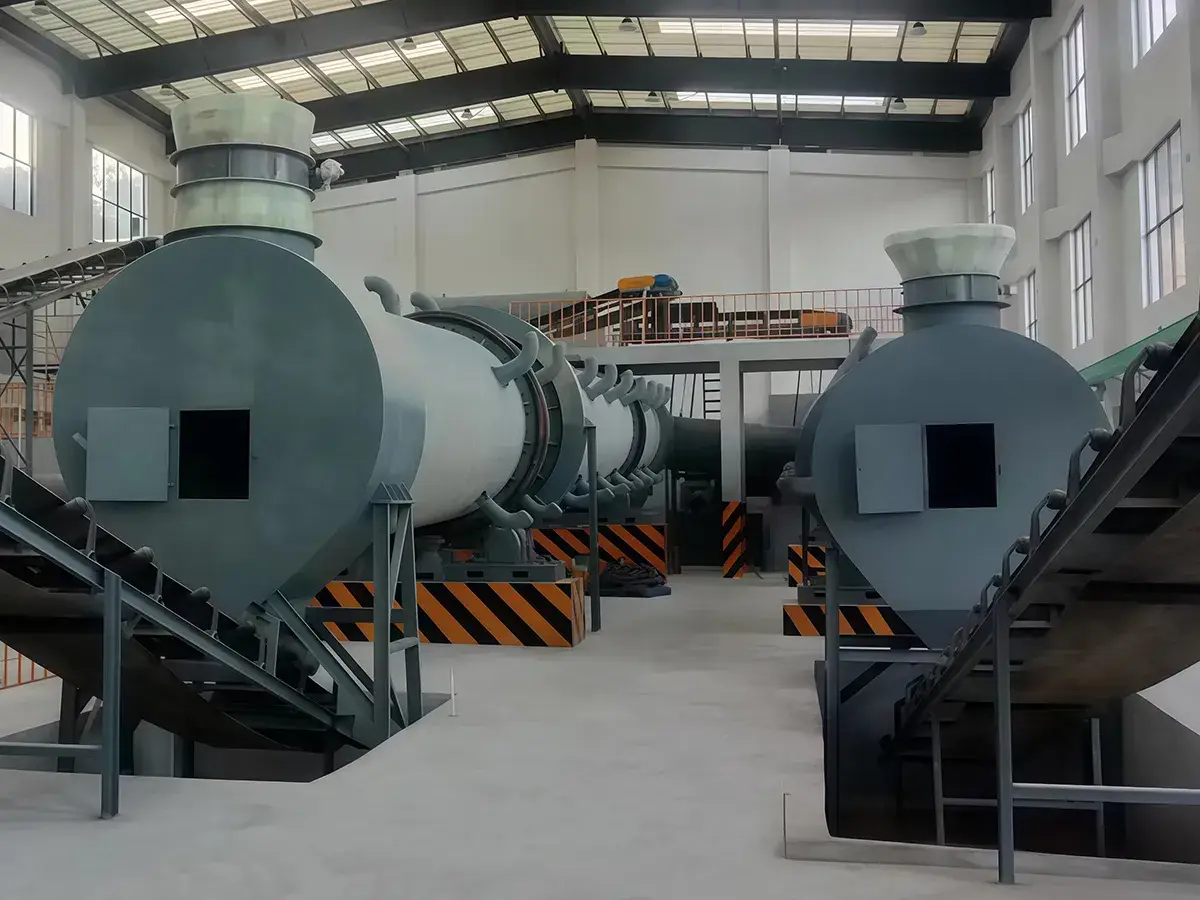
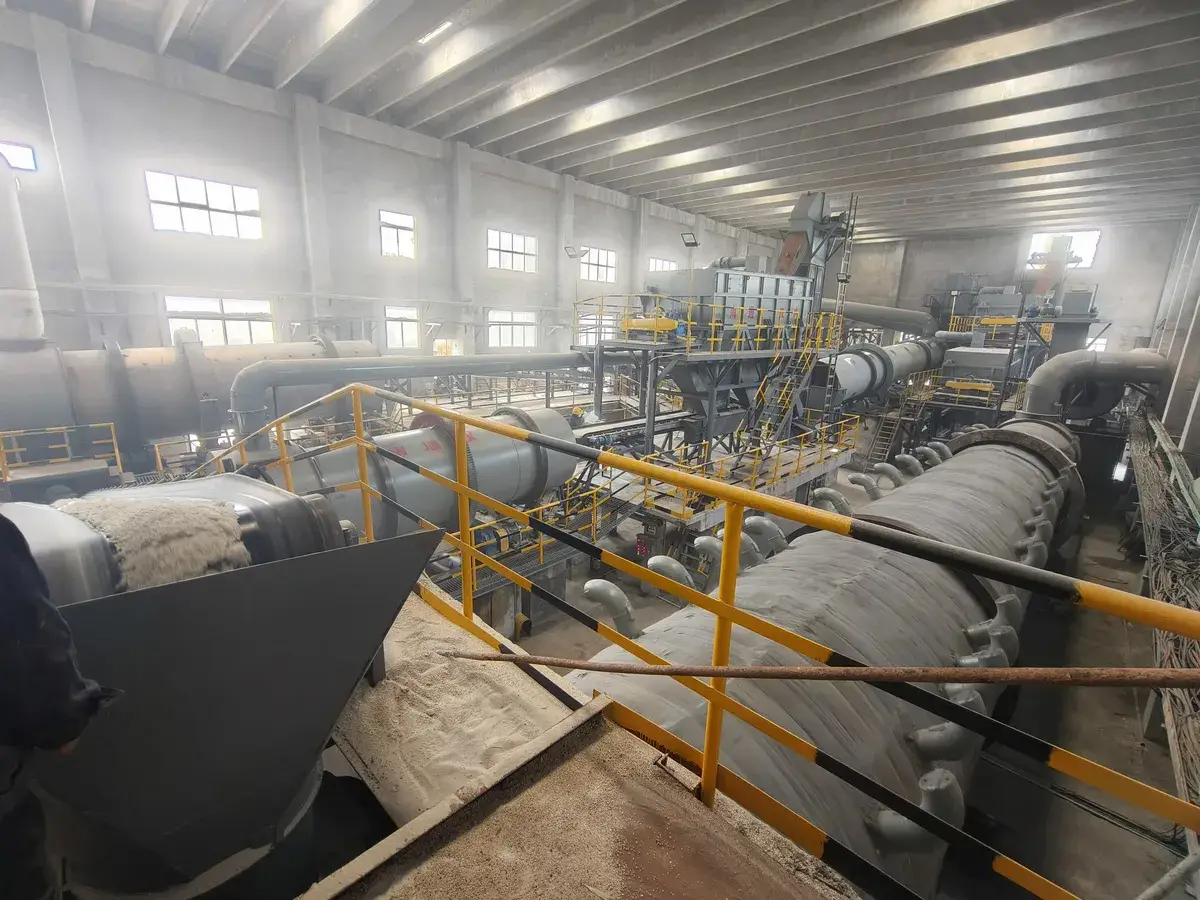
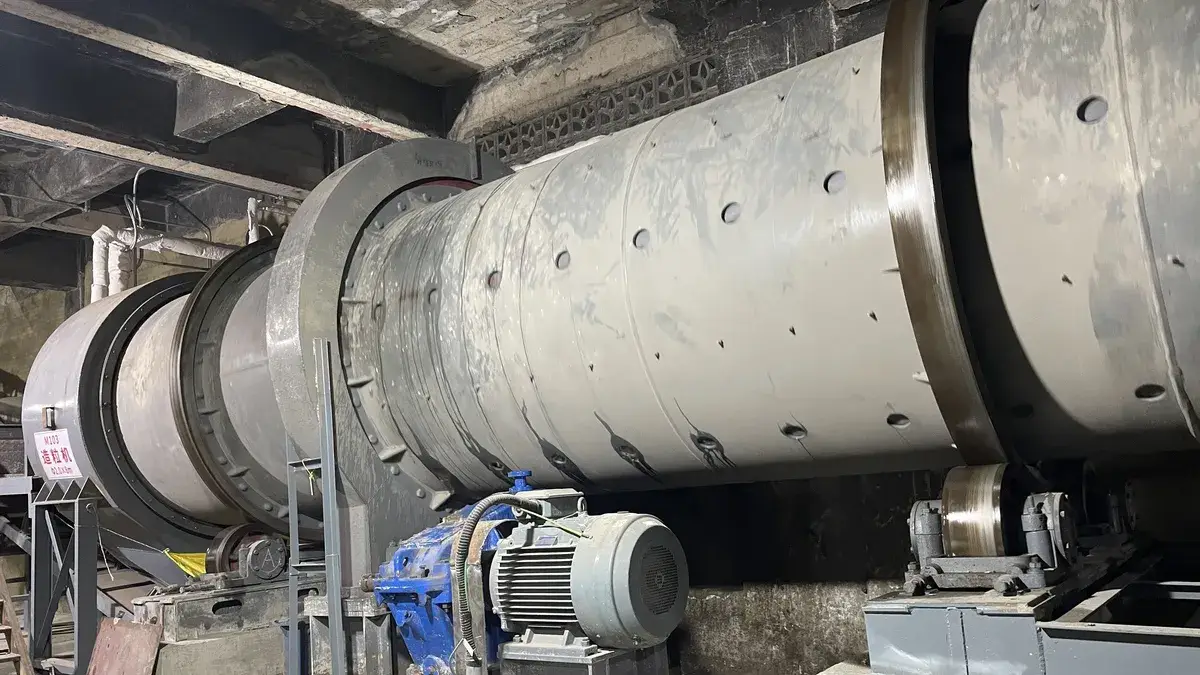
NPK compound fertilizer production lines use rotary drum granulators to turn blended nitrogen, phosphorus, potassium, and other raw materials into uniform granules.
Steam is added during granulation to provide the moisture and heat needed for the particles to bind together as the drums rotate. NPK fertilizer lines can carry out the full production process from raw material preparation and mixing to granulation, drying, cooling, screening, coating, and packing. They are suitable for large-scale production of high, medium, and low-concentration compound fertilizers, as well as organic-inorganic fertilizer products.
The NPK compound fertilizer production line uses steam to add heat and moisture during rotary drum granulation.
Steam provides the heat and moisture needed for the mixed materials to bind together and form granules. The main stages of production are outlined below:
- Raw Material Preparation and Batching
Urea, ammonium phosphate, potassium chloride and any required fillers are first crushed to the appropriate size. The automatic batching system then weighs each material according to the formulation before sending the ingredients to the mixer, where they are blended evenly and prepared for granulation.
- Rotary Drum Granulation
The blended material enters the rotary drum granulator while saturated steam is introduced. The steam raises the material temperature, helps dissolve soluble salts and provides the liquid phase needed for granulation. As the drum rotates, the material is continuously rolled and pressed, causing the particles to bind together and form granules with sizes that range from 2 to 4 mm.
- Drying, Cooling, Screening and Recycling
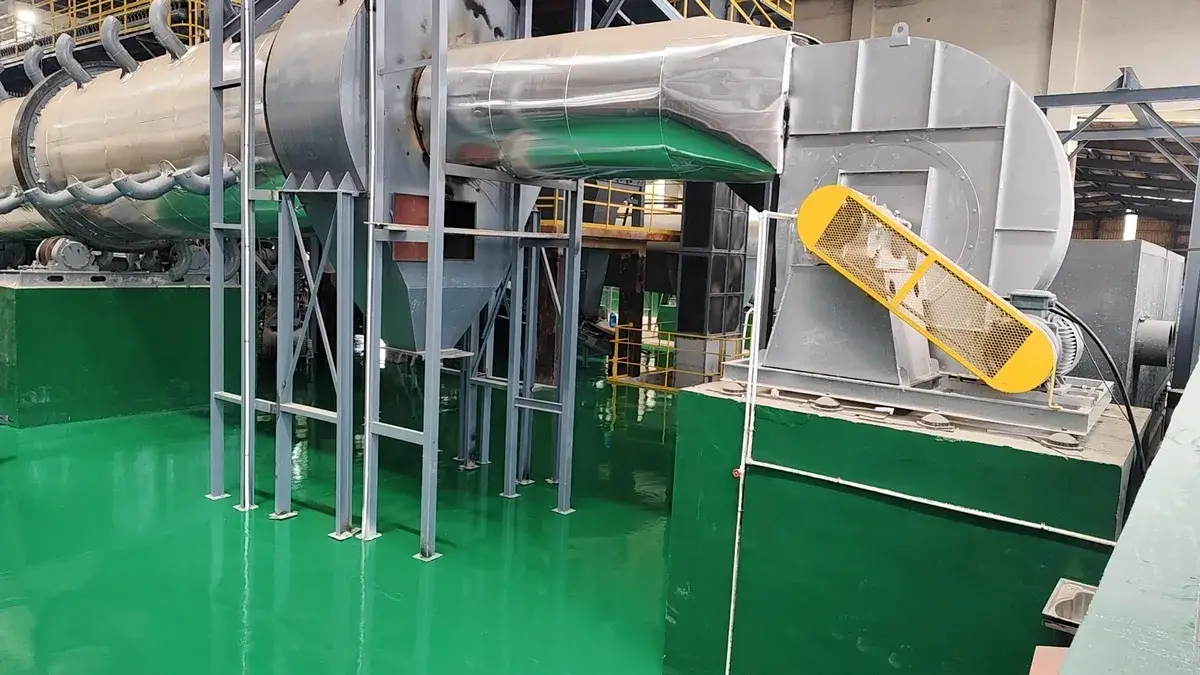
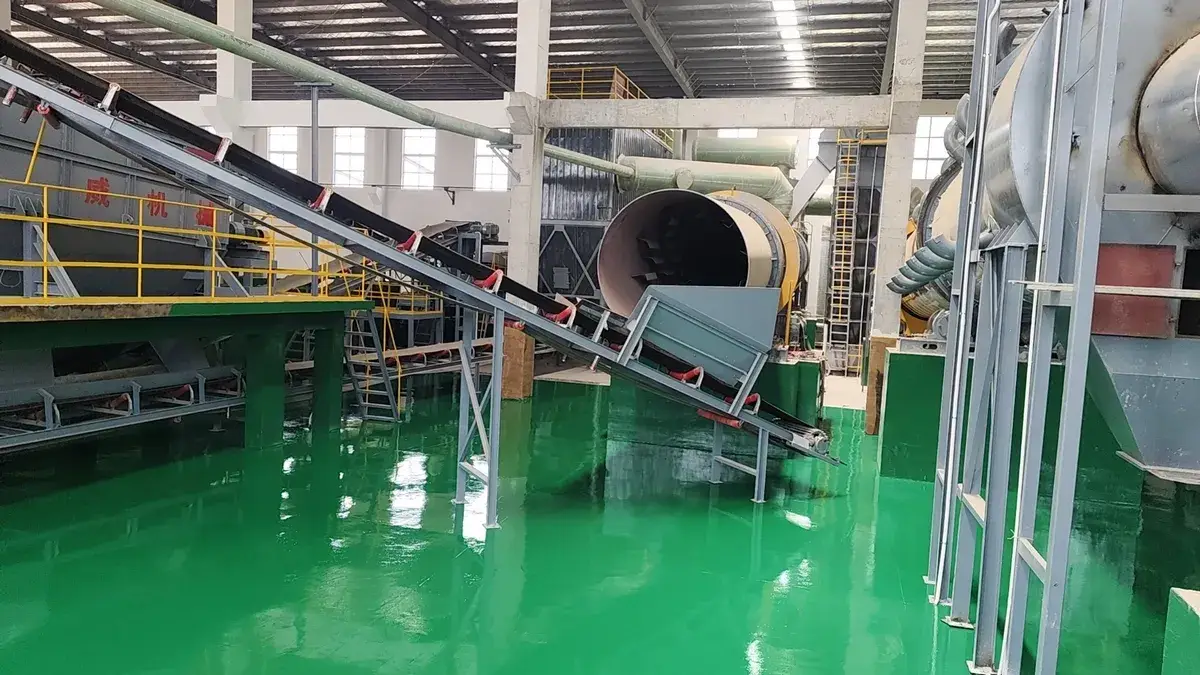
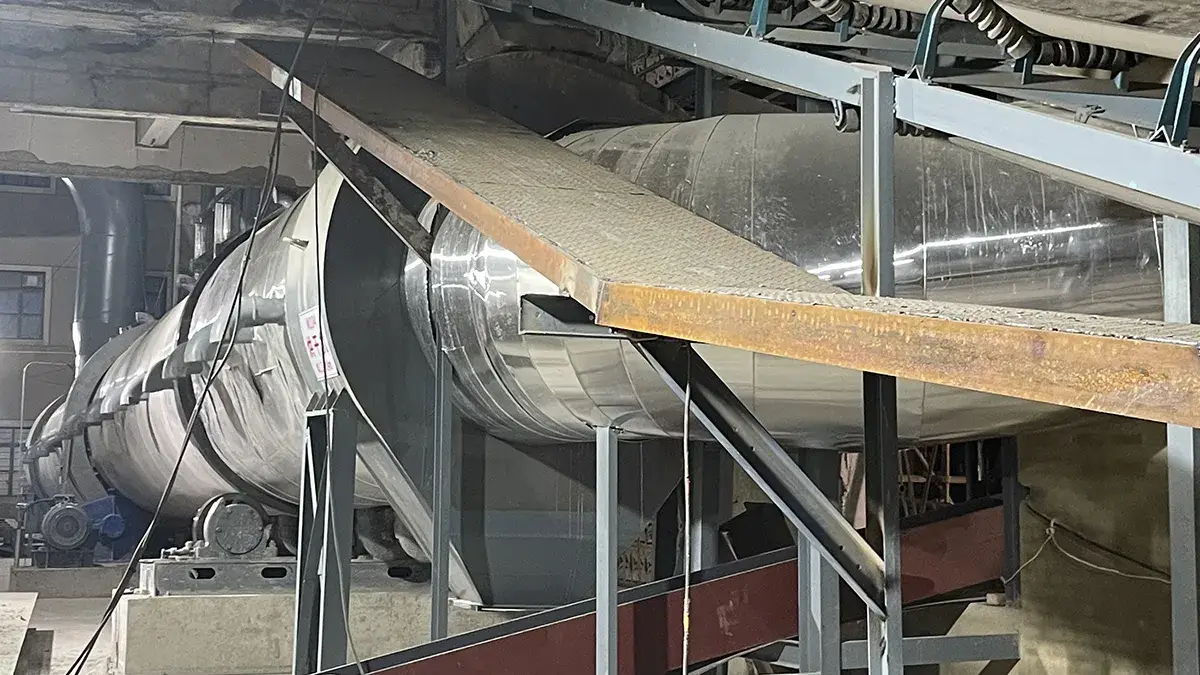
Wet granules first pass through a rotary dryer supplied with hot air to remove excess moisture, then enter a rotary cooler to lower the temperature, reduce caking and improve granule strength. After cooling, the material is separated by size in a rotary screen. Granules that are within the required size range continue to the next production stage, while fine particles return directly to the granulator as seed material and oversized granules are crushed before being sent back into the process. The return ratio must be adjusted carefully because it is a key factor in controlling production output.
- Coating and Packing
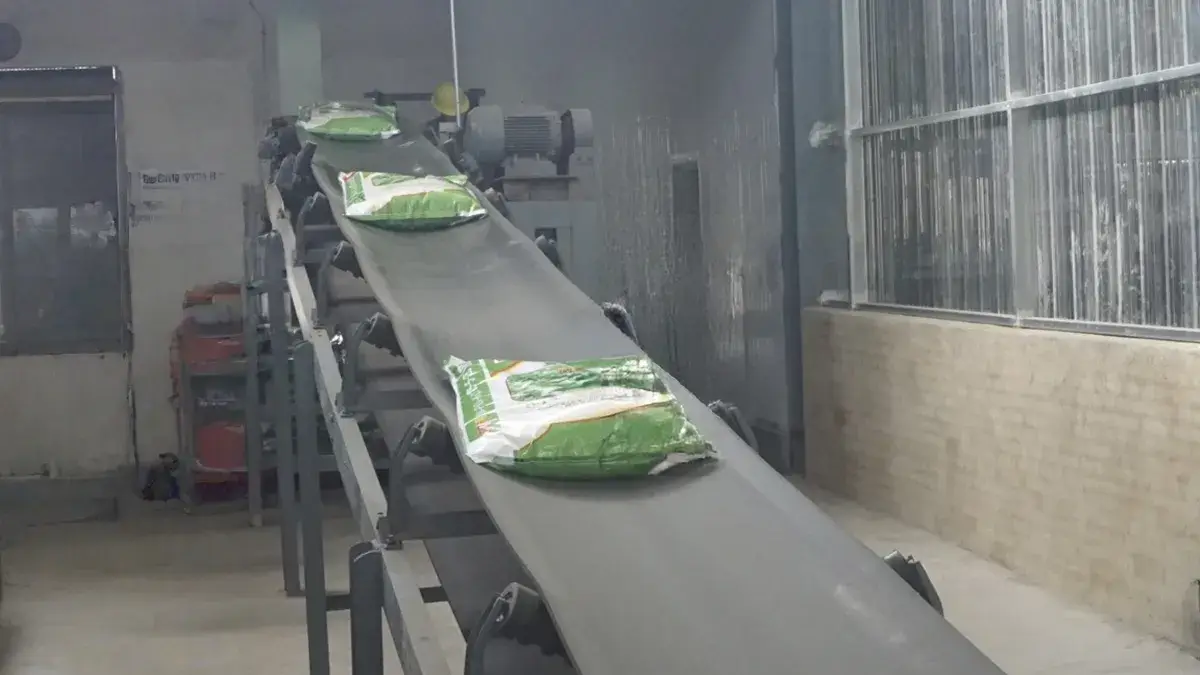
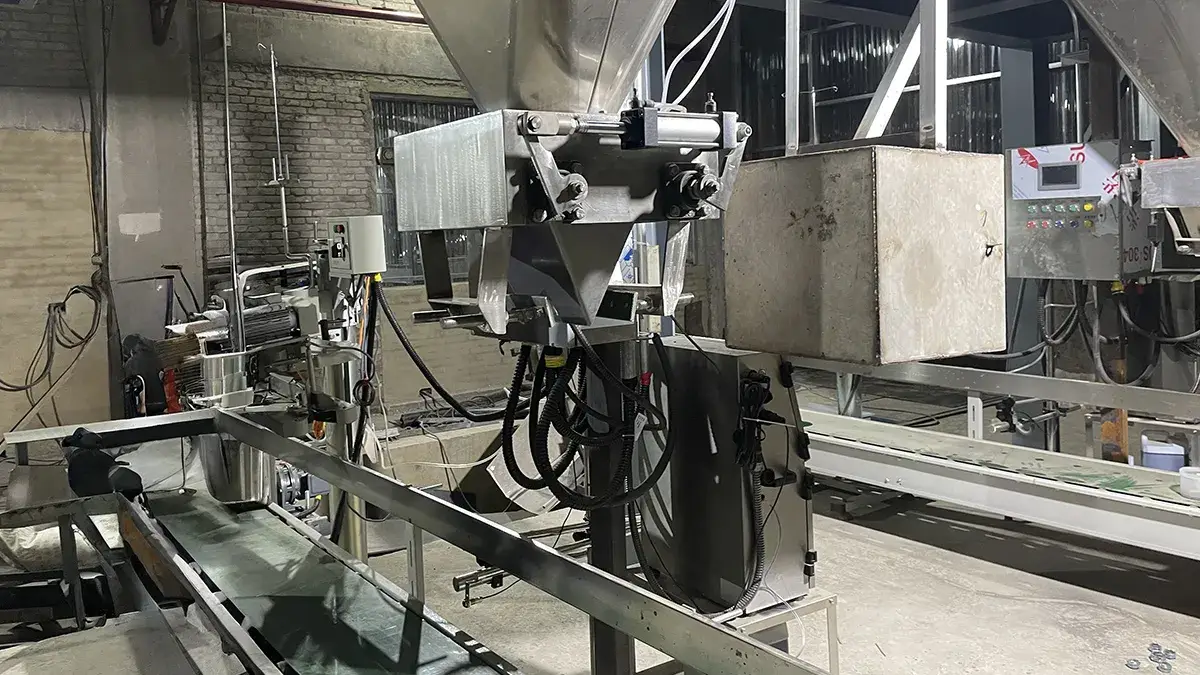
Granules that meet the size requirement enter the coating drum, where anti-caking oil, powder or microbial additives can be applied according to the fertilizer formula. The finished product is then weighed automatically, packed and sent to storage.
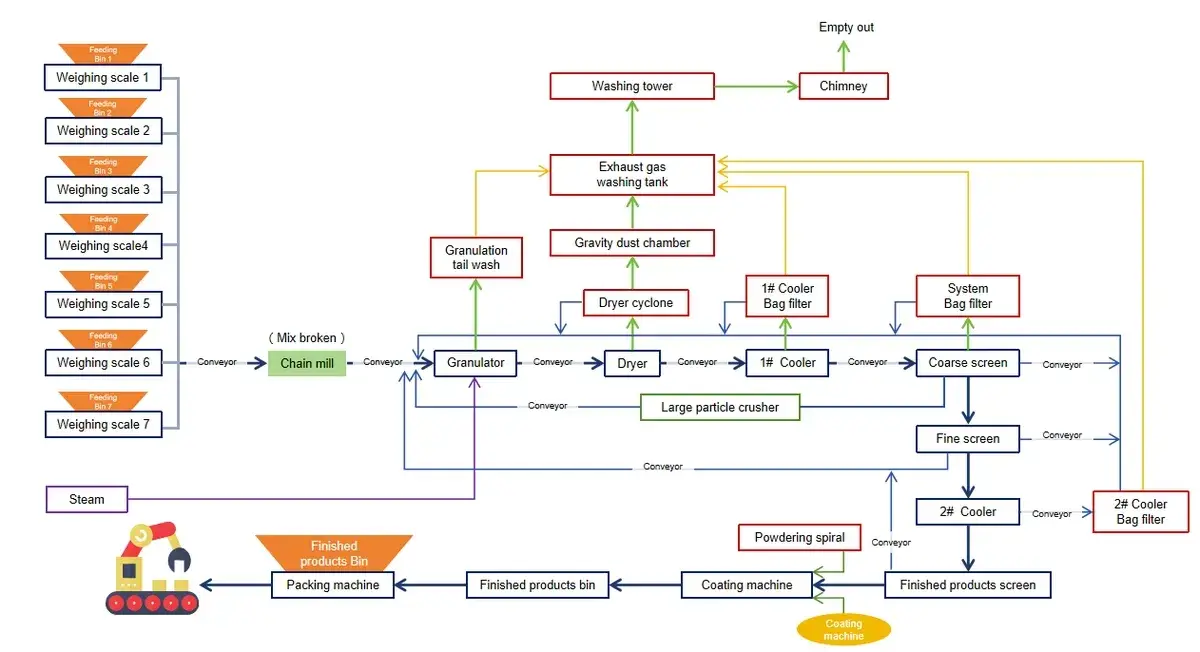
- Continuous Production: One NPK compound fertilizer production line can reach an annual capacity of 30,000 - 500,000 tons. The closed-loop recycling system sends material that does not meet the required size back for reprocessing, which allows continuous 24-hour production.
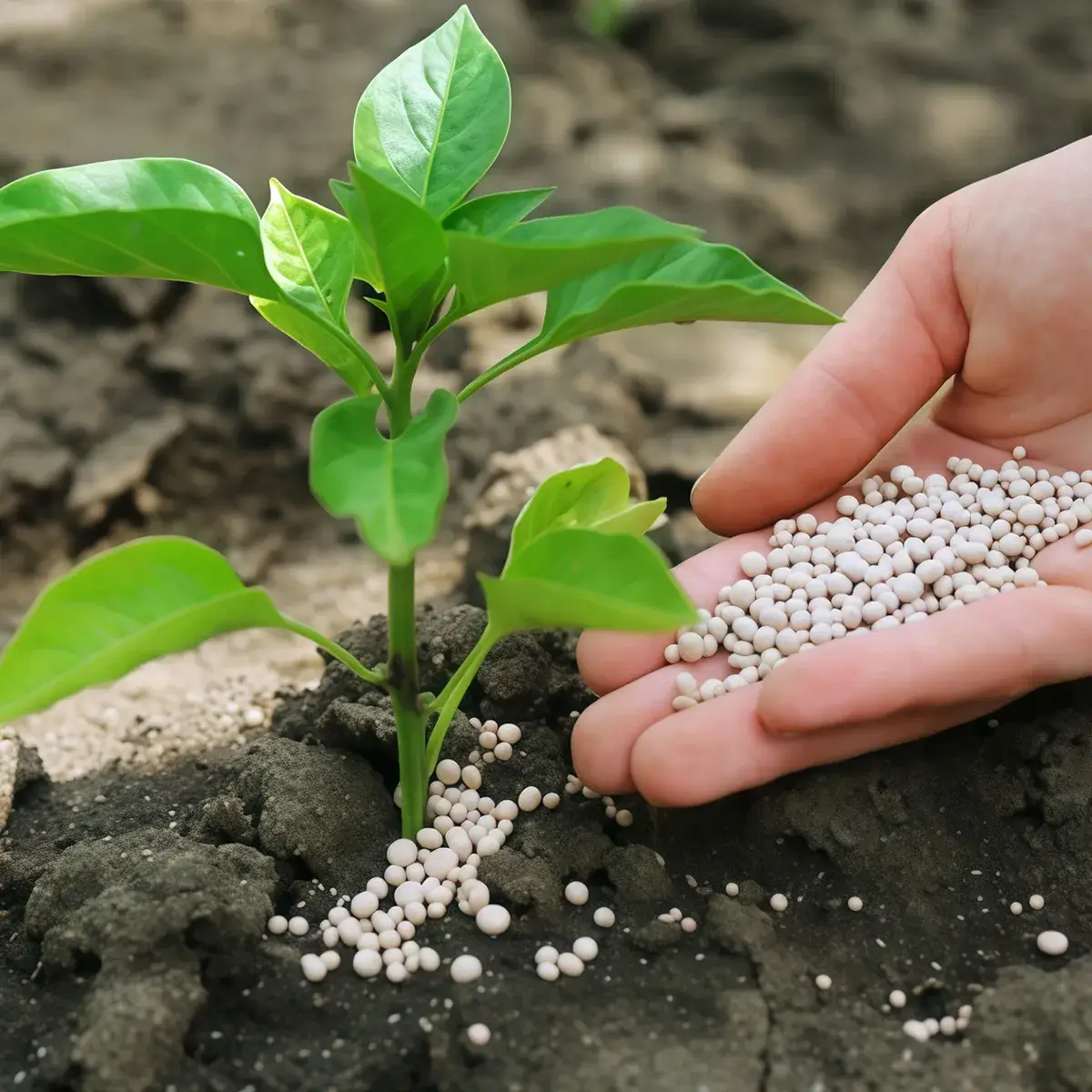
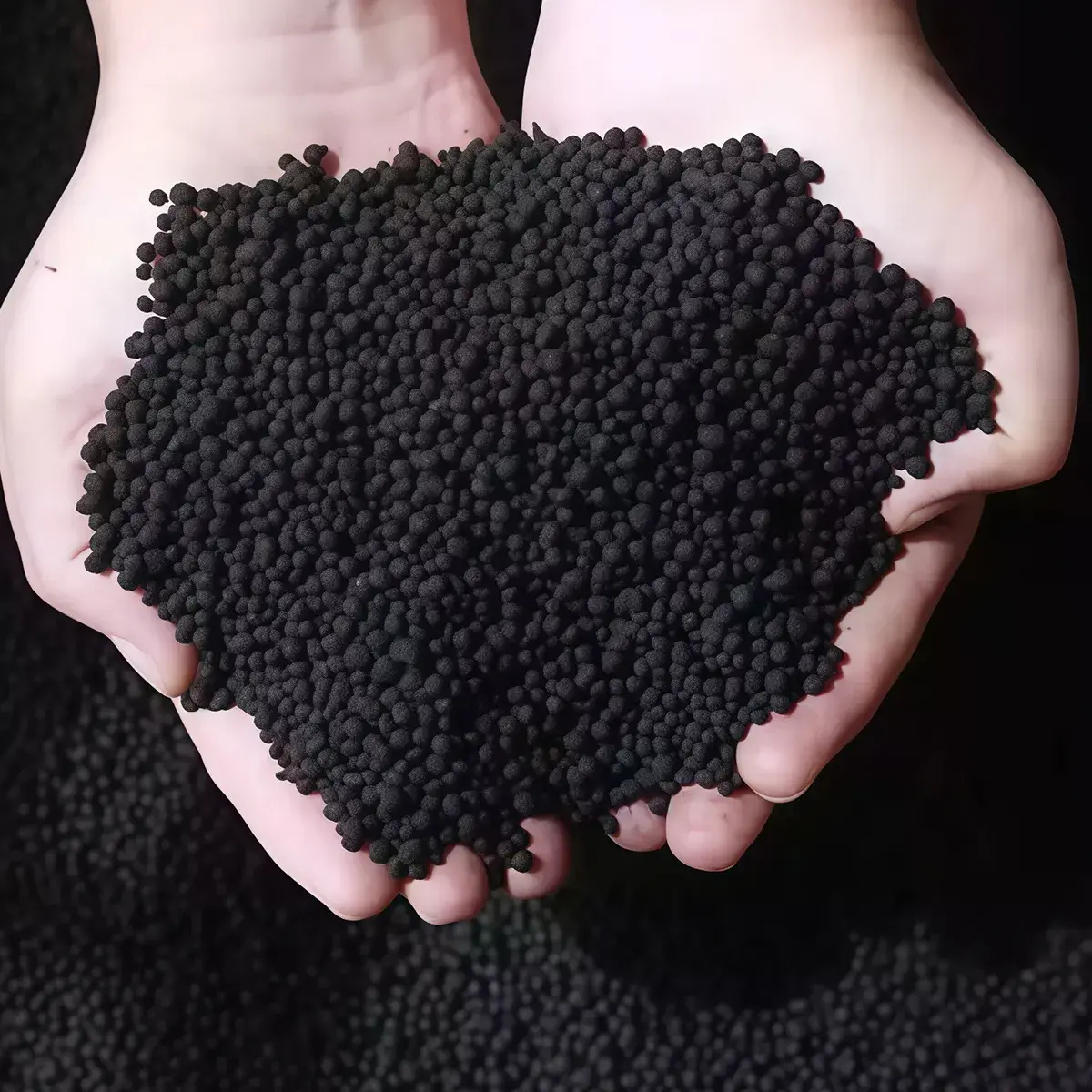
- Well-Formed Granules: Steam granulation produces rounded granules with good strength and a relatively uniform size that range from 2 to 4 mm. The granules have even shape and firm structure that help them keep their form during screening, packing and transport.
- Flexible Formulation: Raw material proportions can be adjusted for different NPK grades and fertilizer formulations, so production can be changed according to the required nutrient content and available ingredients.
- Lower Operating Costs: Automatic controls reduce the amount of manual work required during production, while better use of steam heat helps control energy consumption per ton of finished fertilizer.
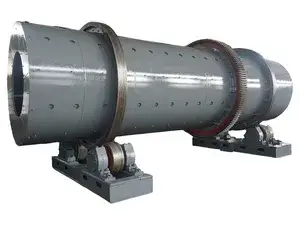 Granulator
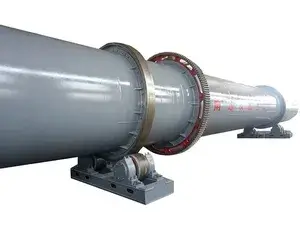 Dryer
Dryer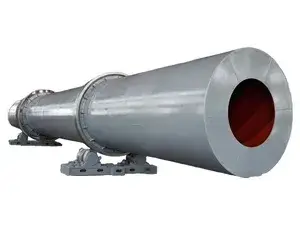 Cooler
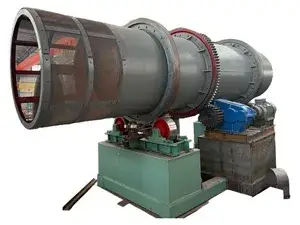 Coating Machine
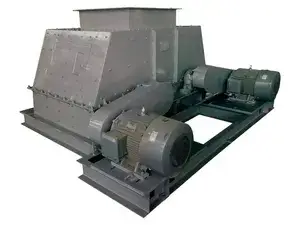 Chain Mill Crusher
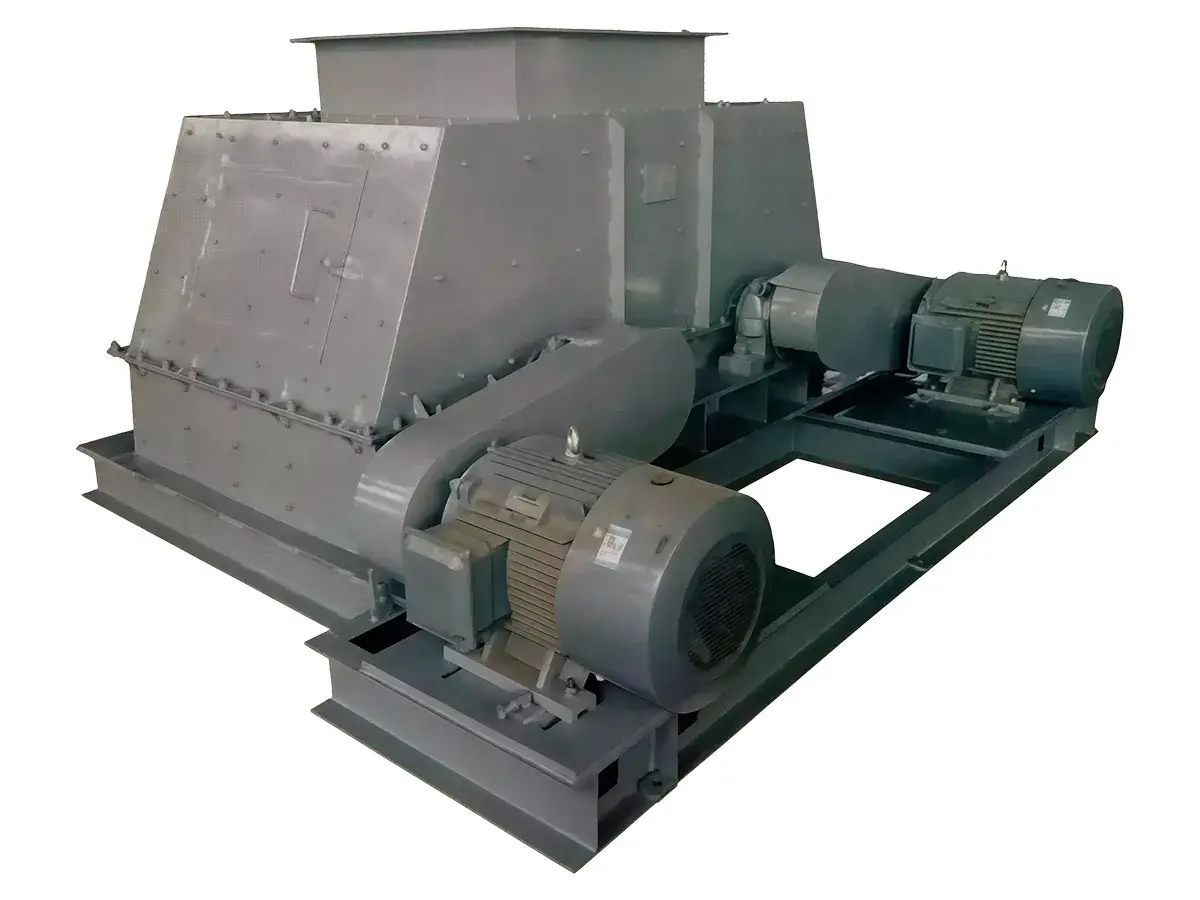
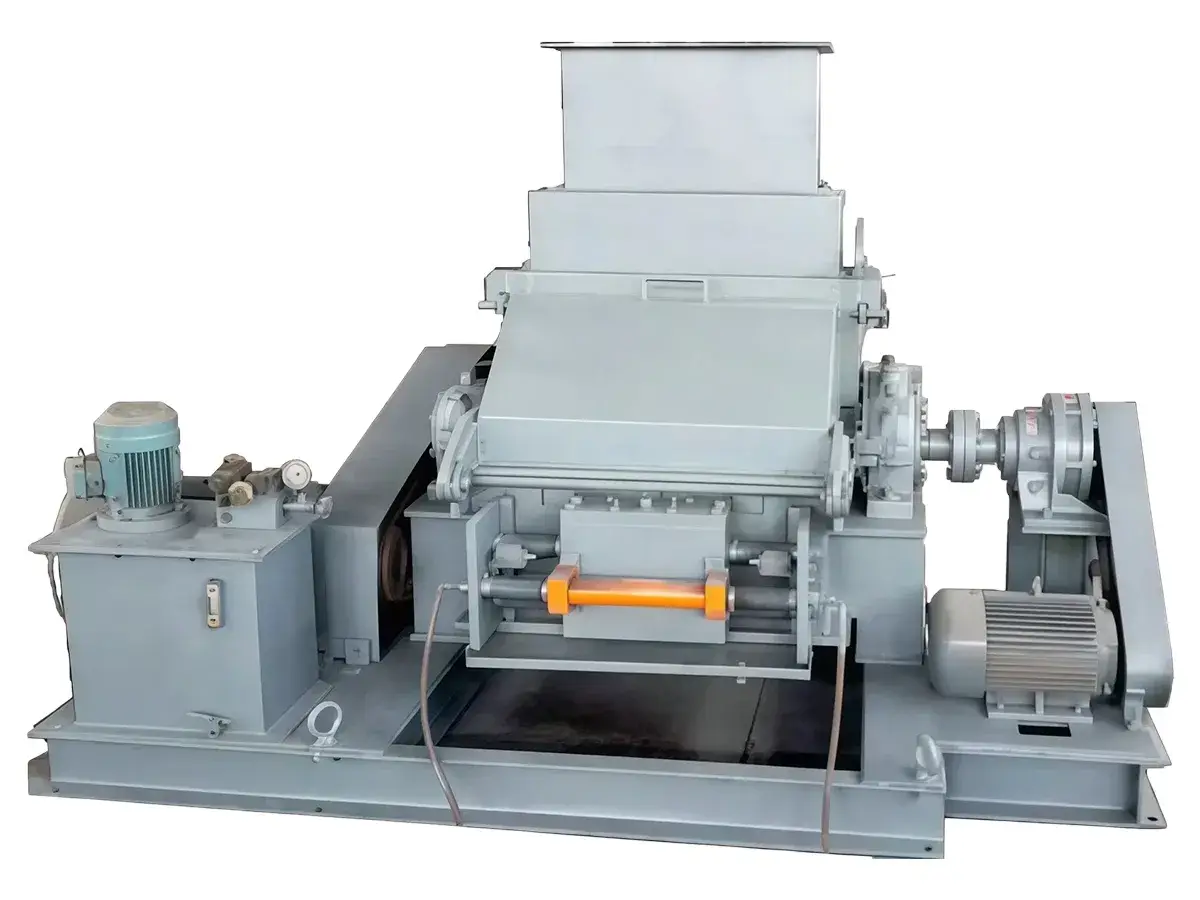
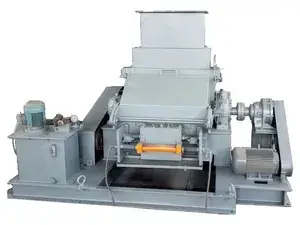 Hammer Roller Crusher
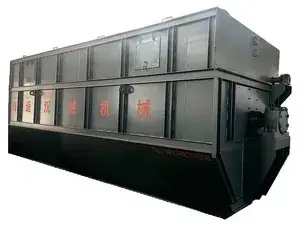 Rotary Drum Screen
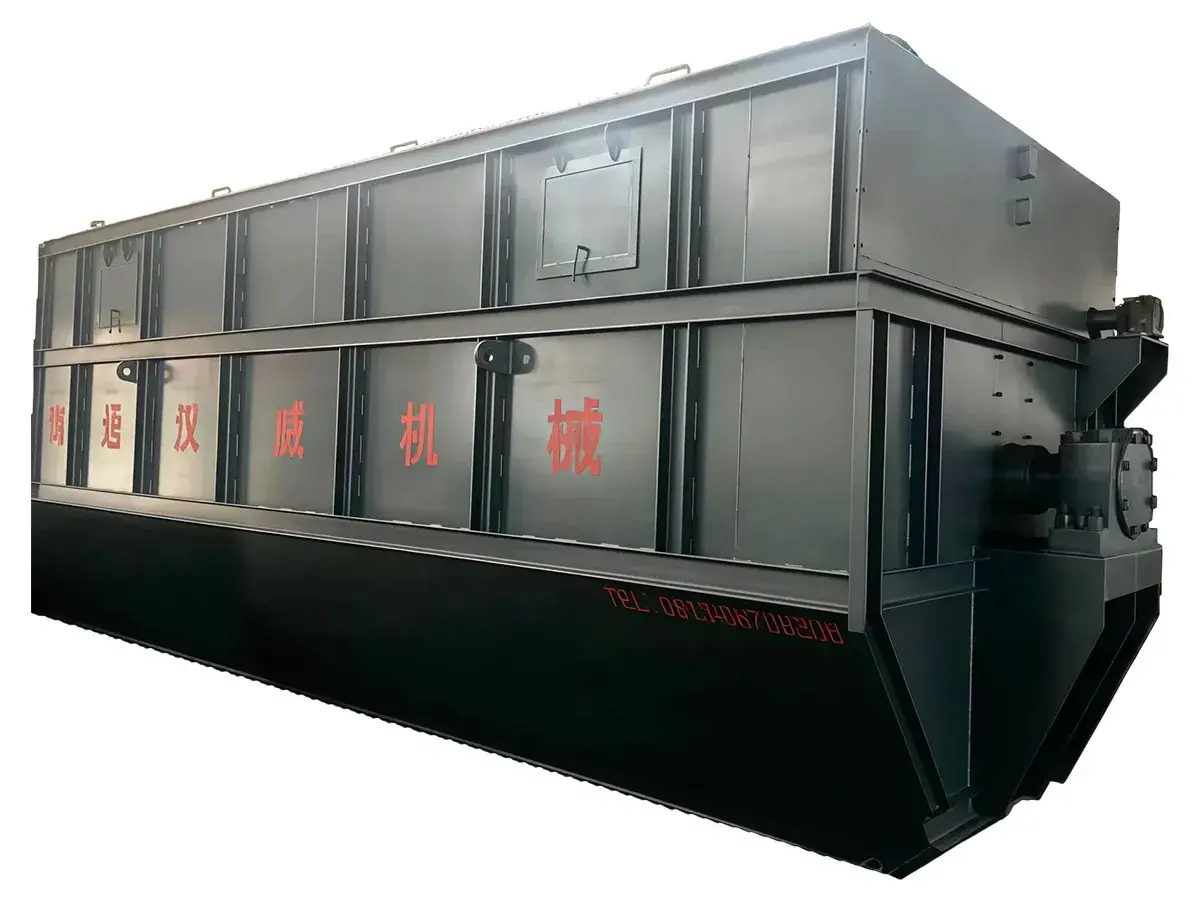
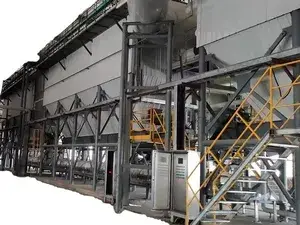 Baghouse Dust Collector
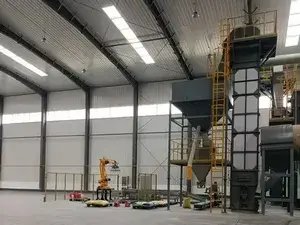 Packing and Palletizing Equipment
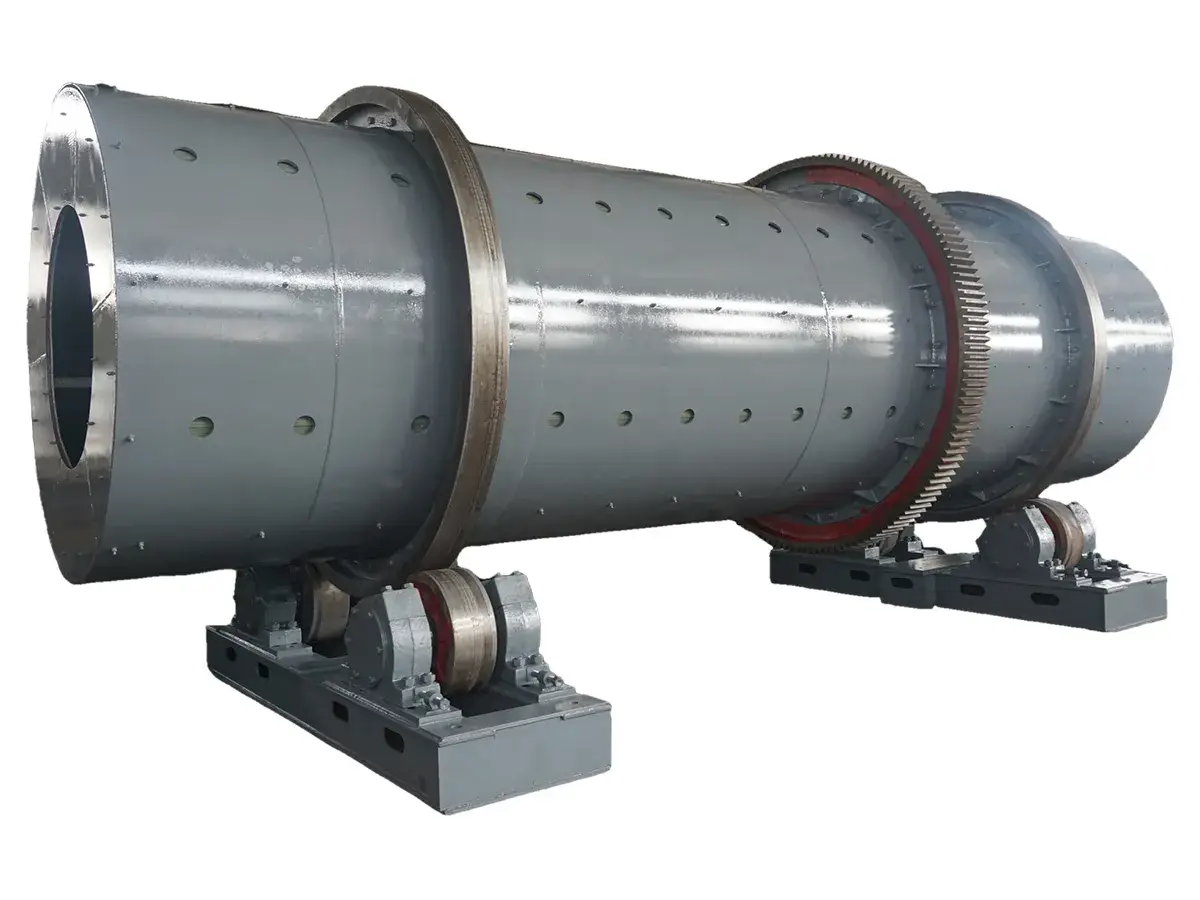
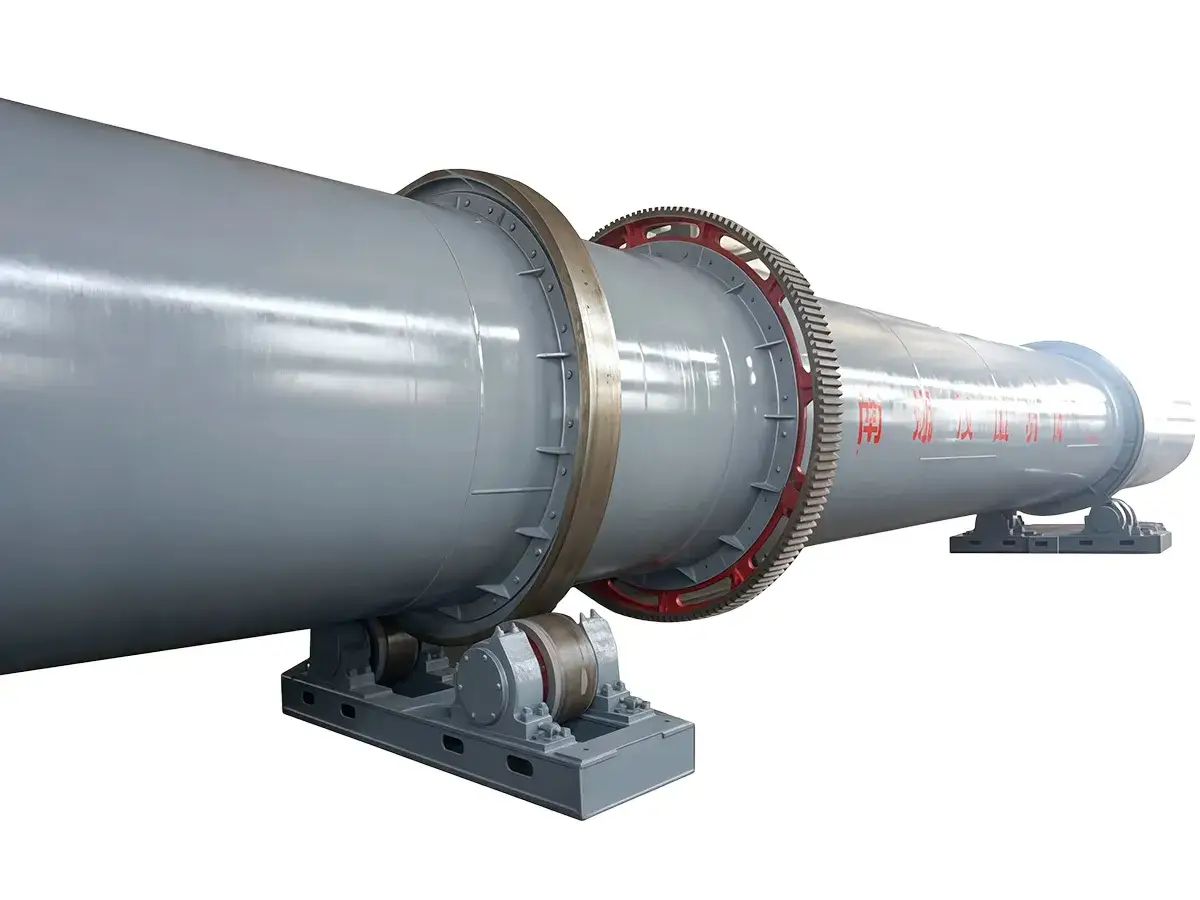
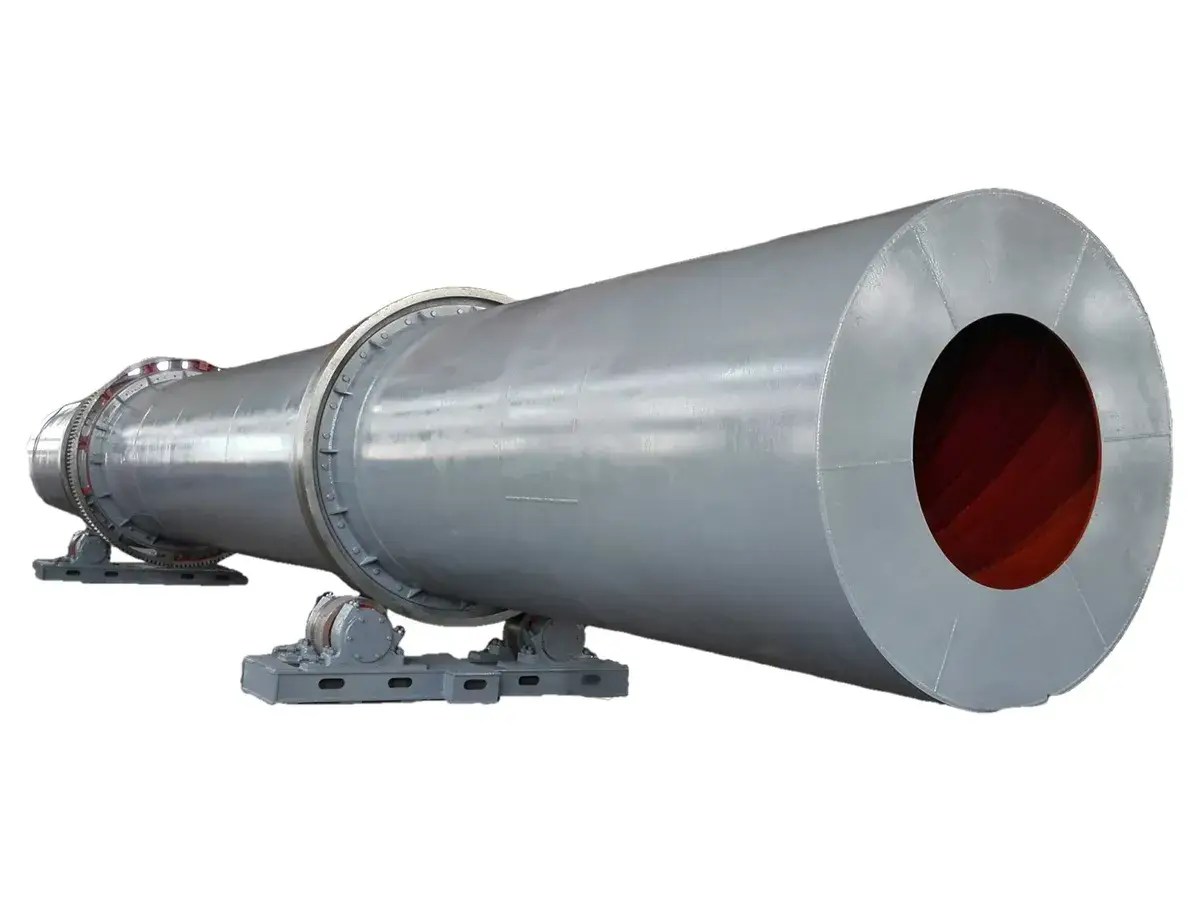
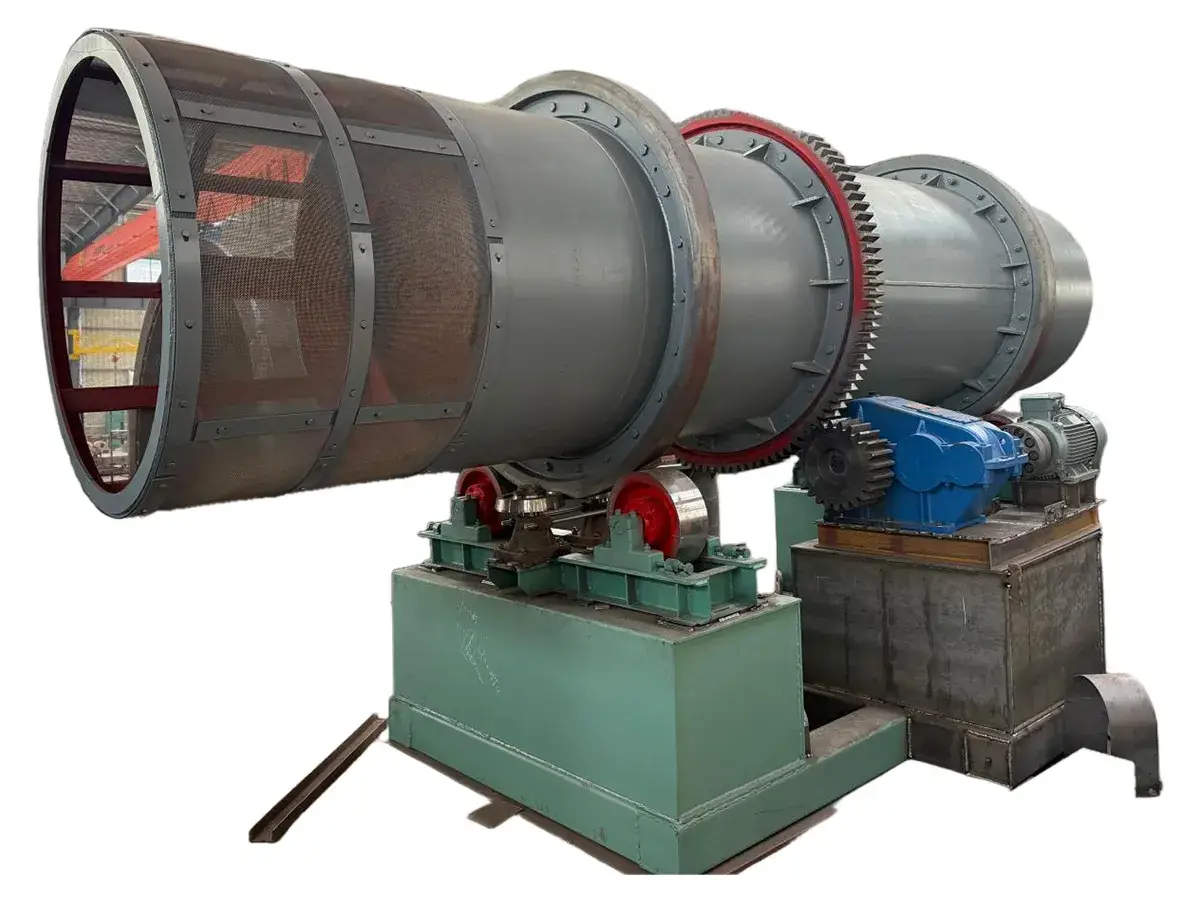
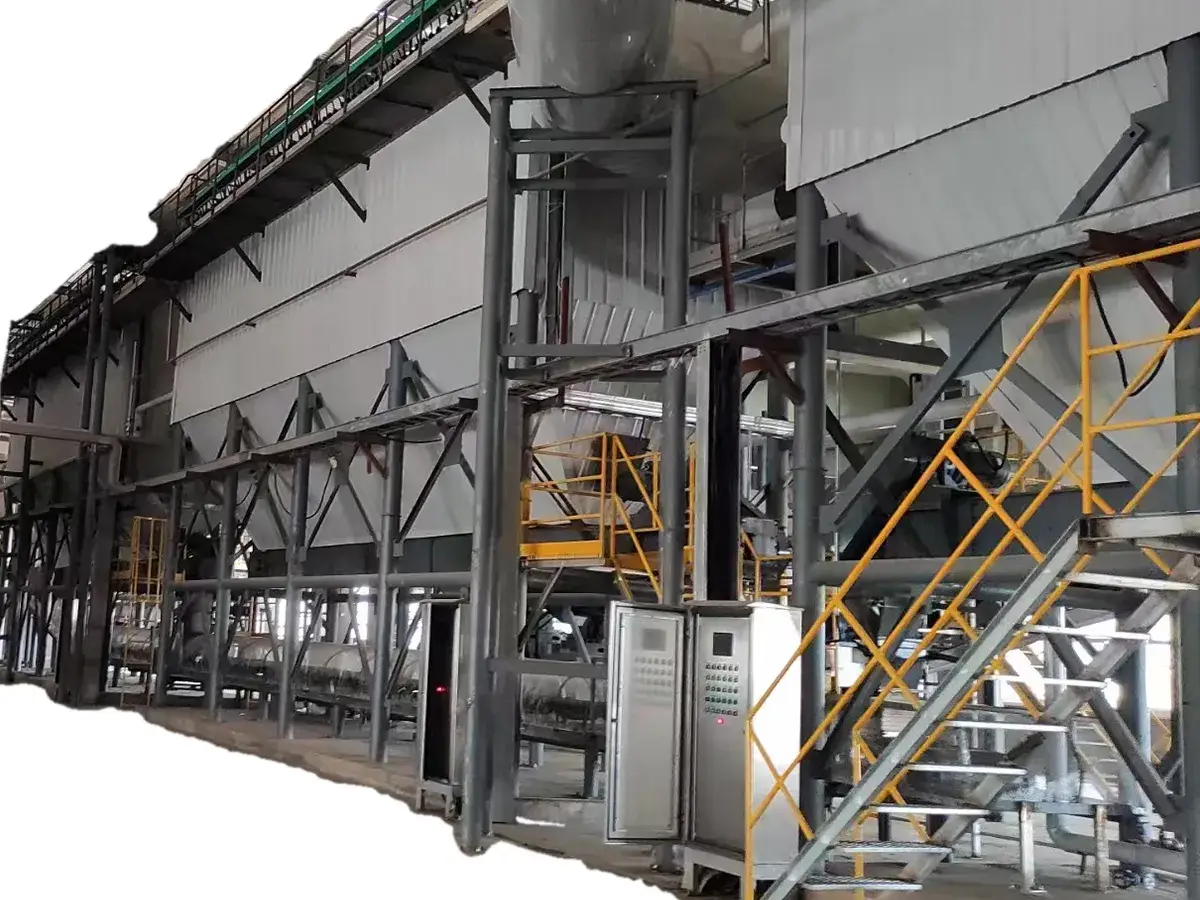
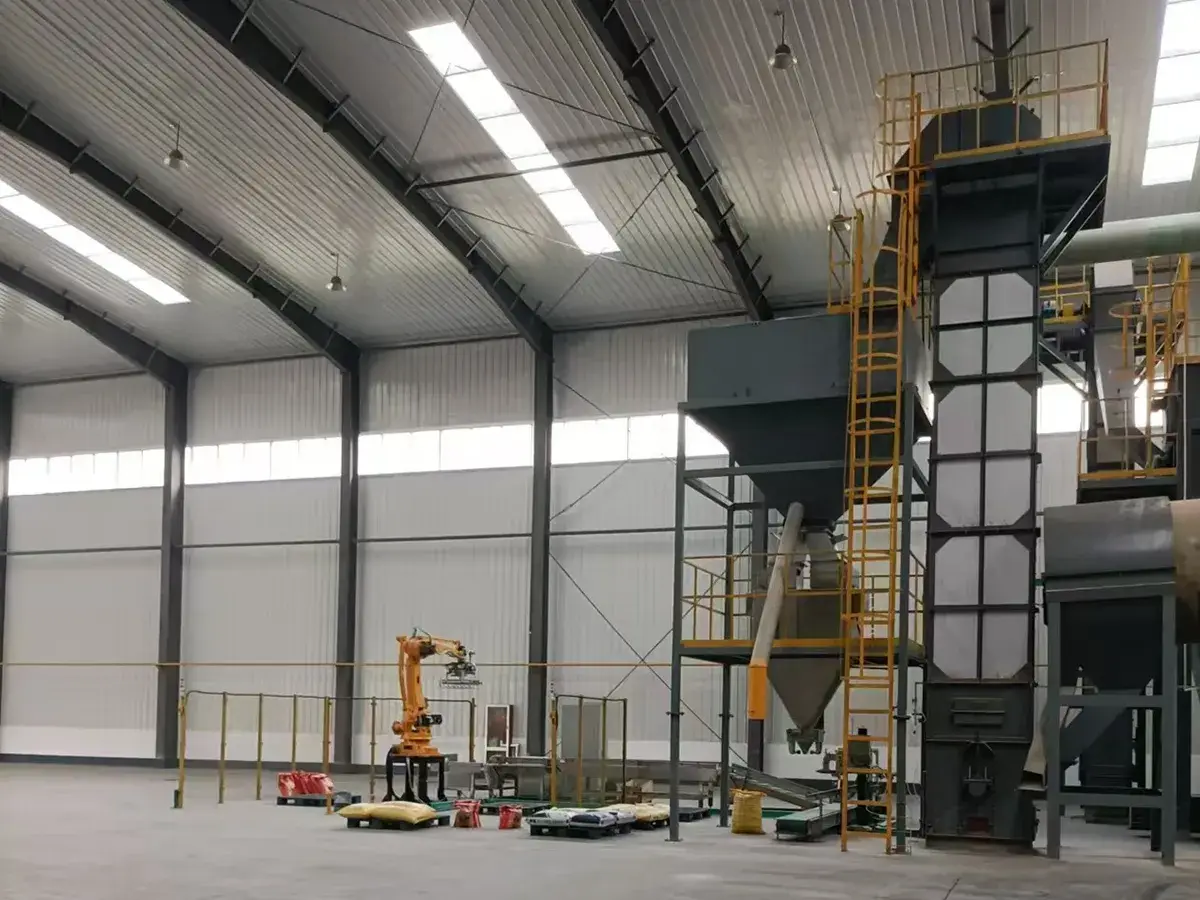
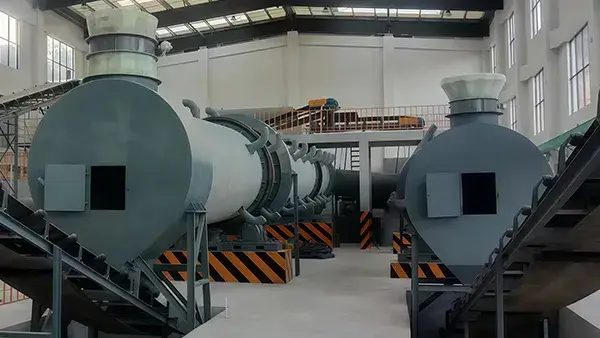 Compound Fertilizer Production Line with an Annual Capacity of 100,000 Tons
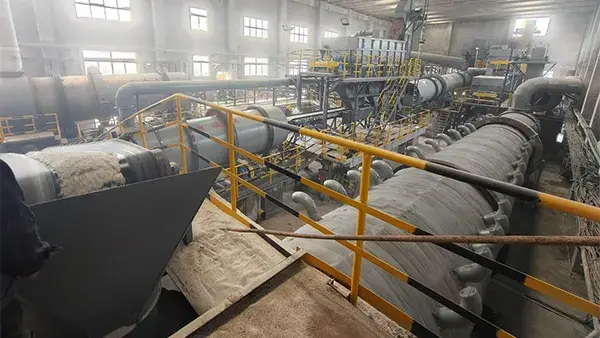 Compound Fertilizer Production Line with an Annual Capacity of 200,000 Tons