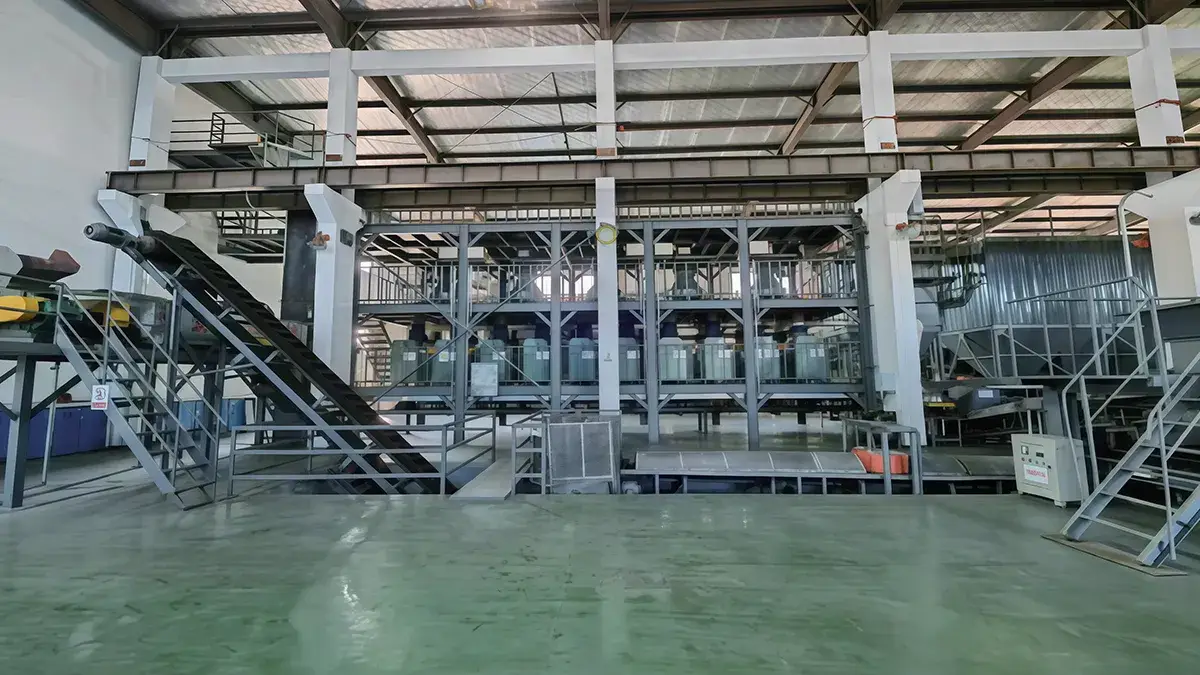
Compacted Compound Fertilizer Production Line
Compacted compound fertilizer production lines turn powdered raw materials into granules at ambient temperature, so no heating is required during the forming stage.
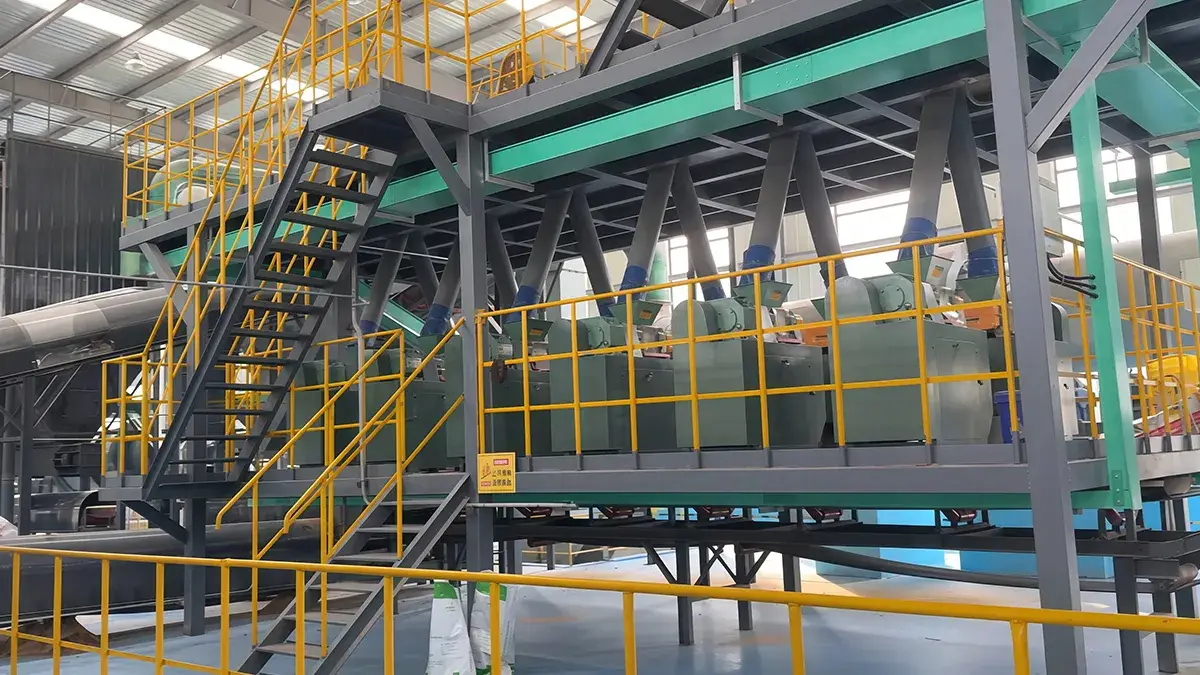
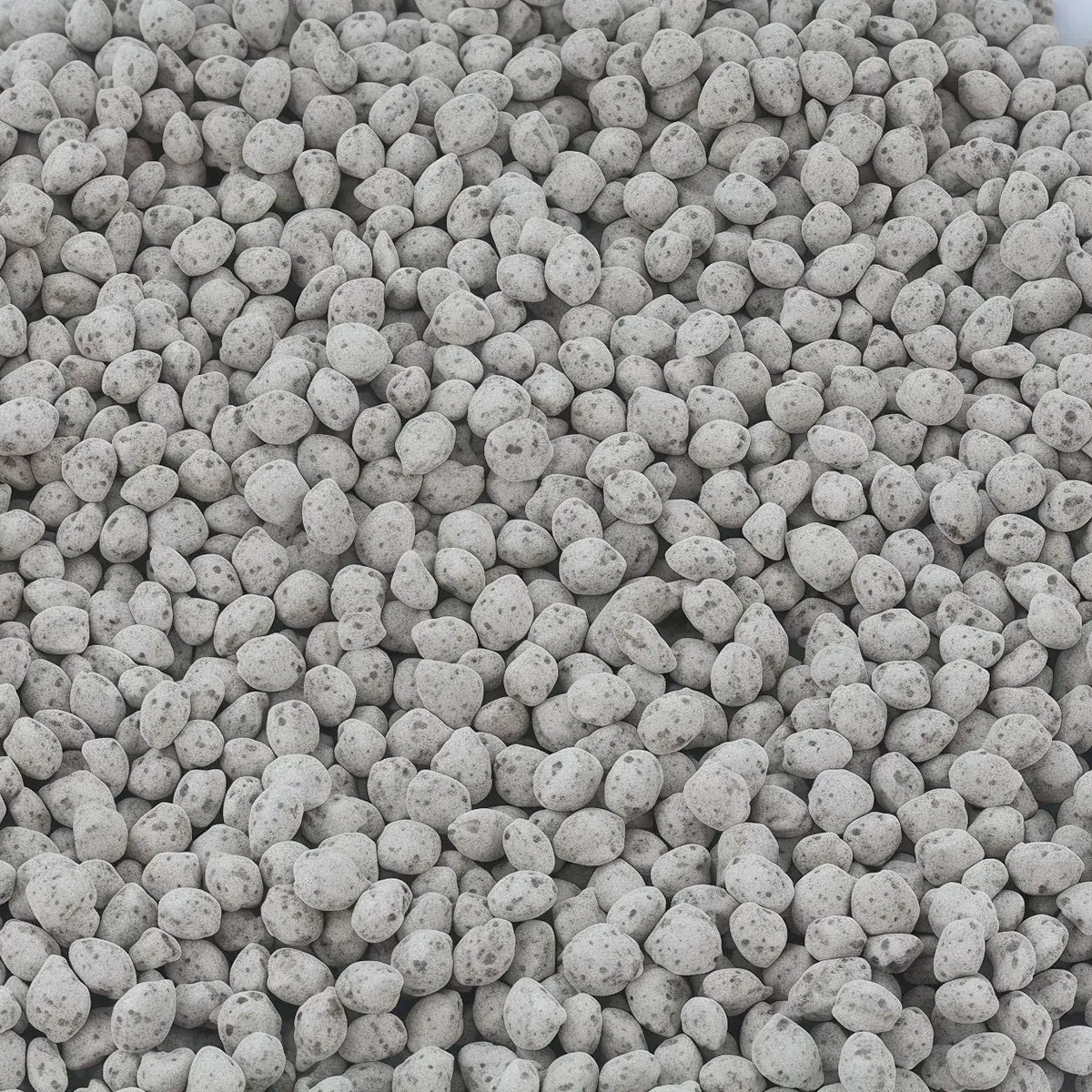
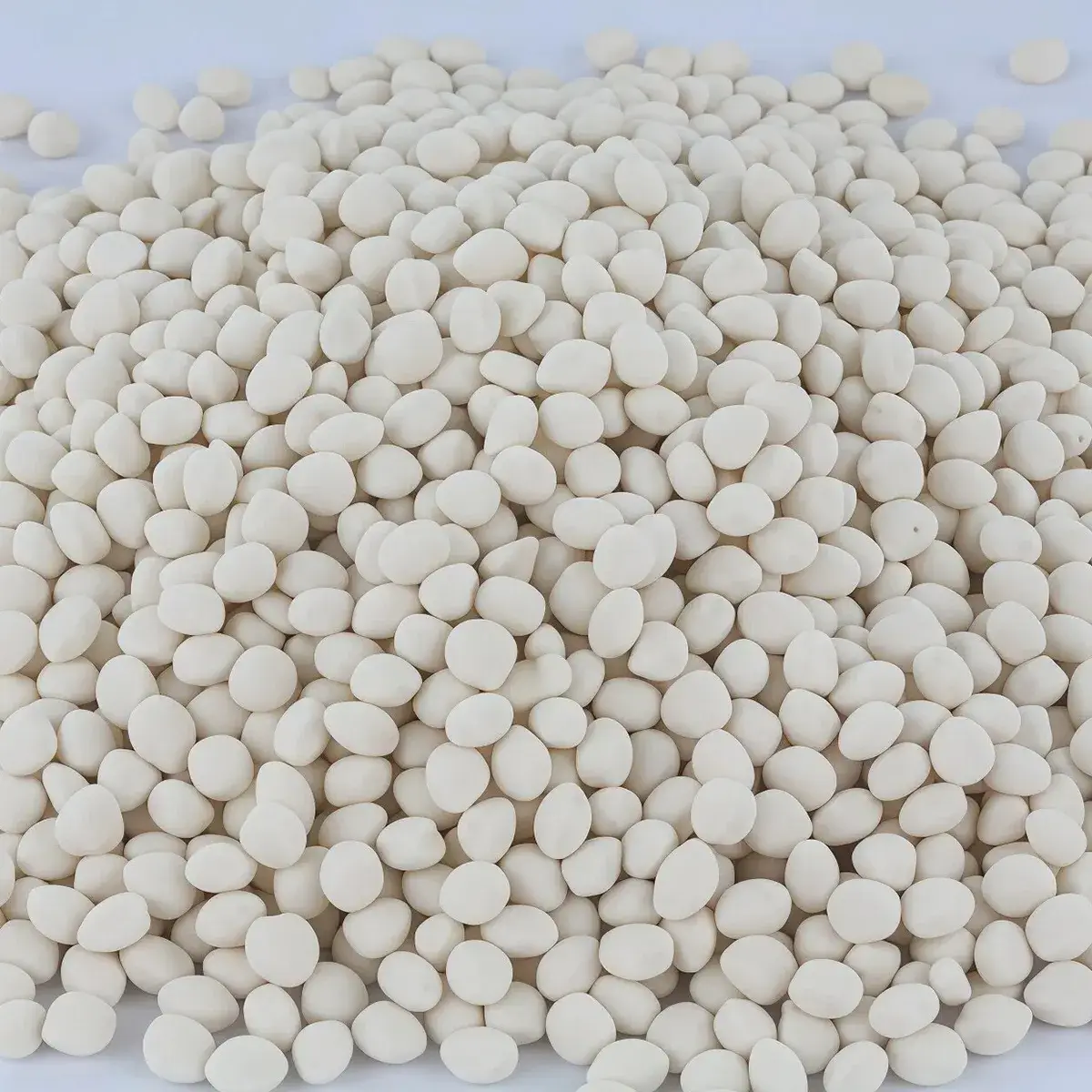
The powders are first pressed into dense sheets, which are then crushed and screened to produce flattened granules or flakes measuring 3–10 mm. Compaction granulation is suitable for ammonium sulfate, ammonium chloride, potassium chloride, potassium sulfate, salts, bulk blend fertilizer ingredients, and binary or ternary compound fertilizers with nutrient contents of 25%–53%.
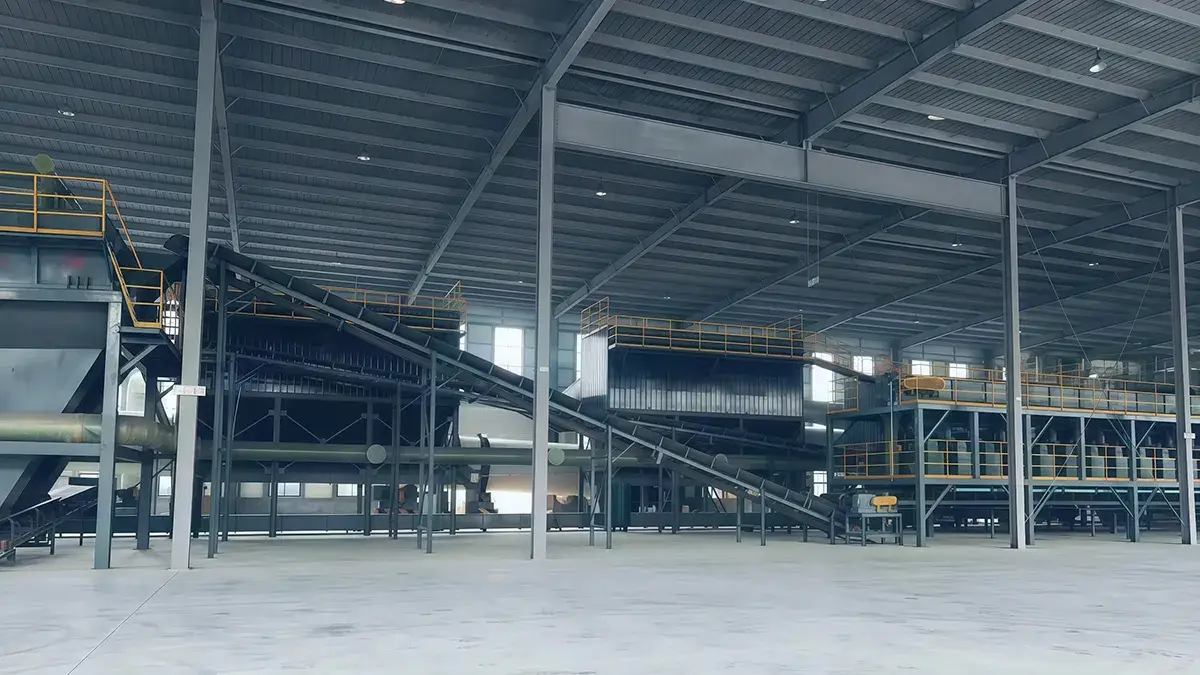
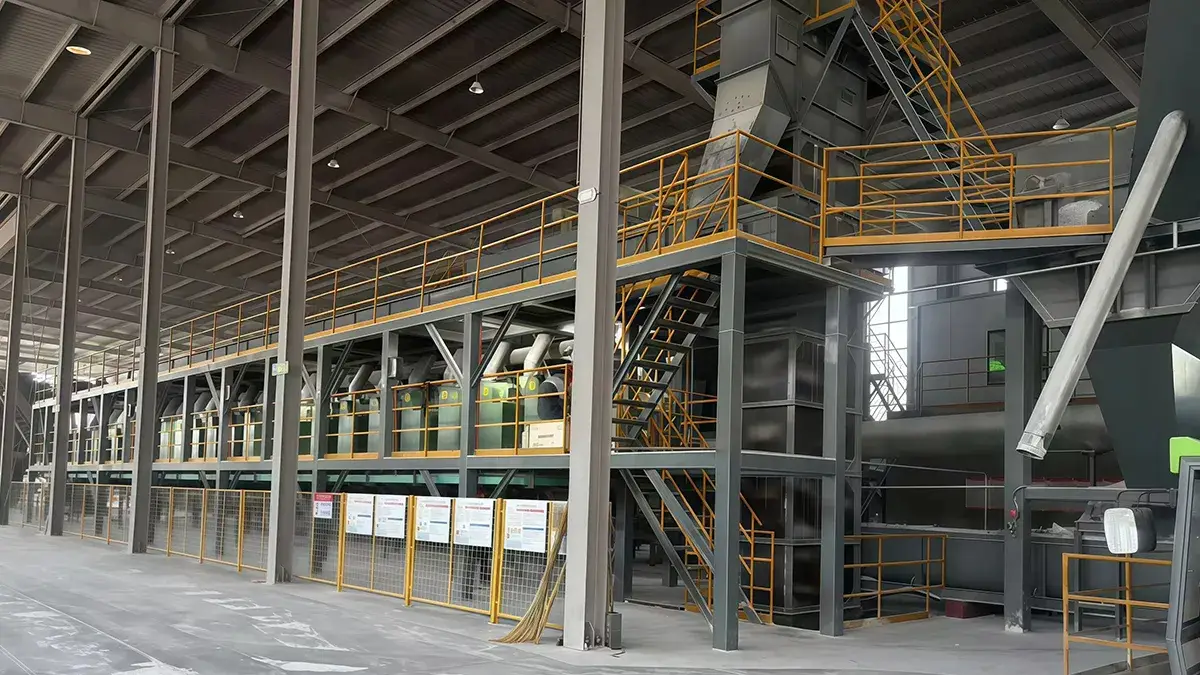
Our compacted compound fertilizer production lines can be customized in layout and annual capacity, with a compact process design, lower energy use, reduced environmental impact, stable operation and easier maintenance.
-
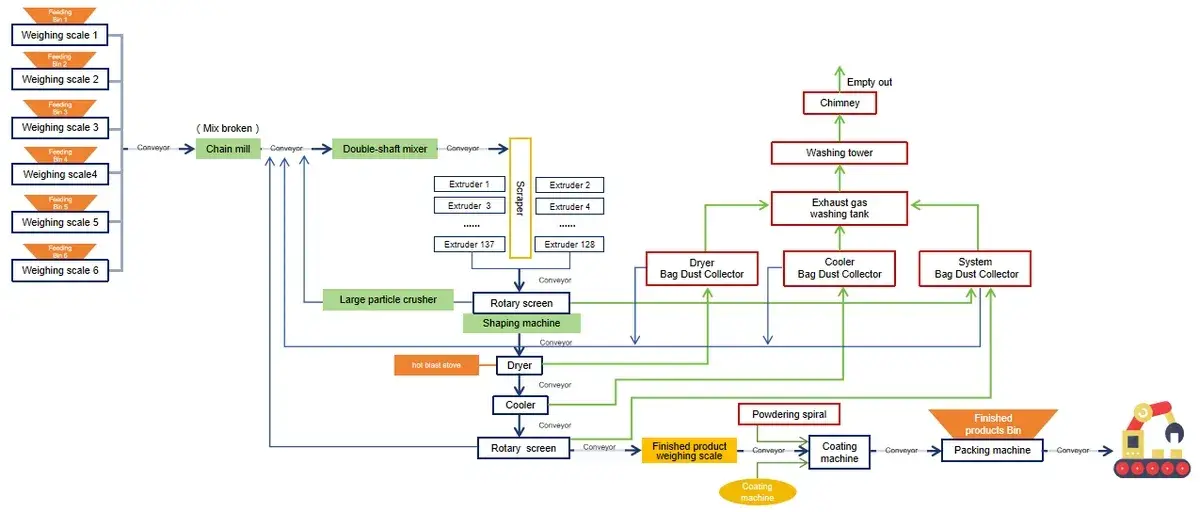
Preparation and Mixing of Raw Material
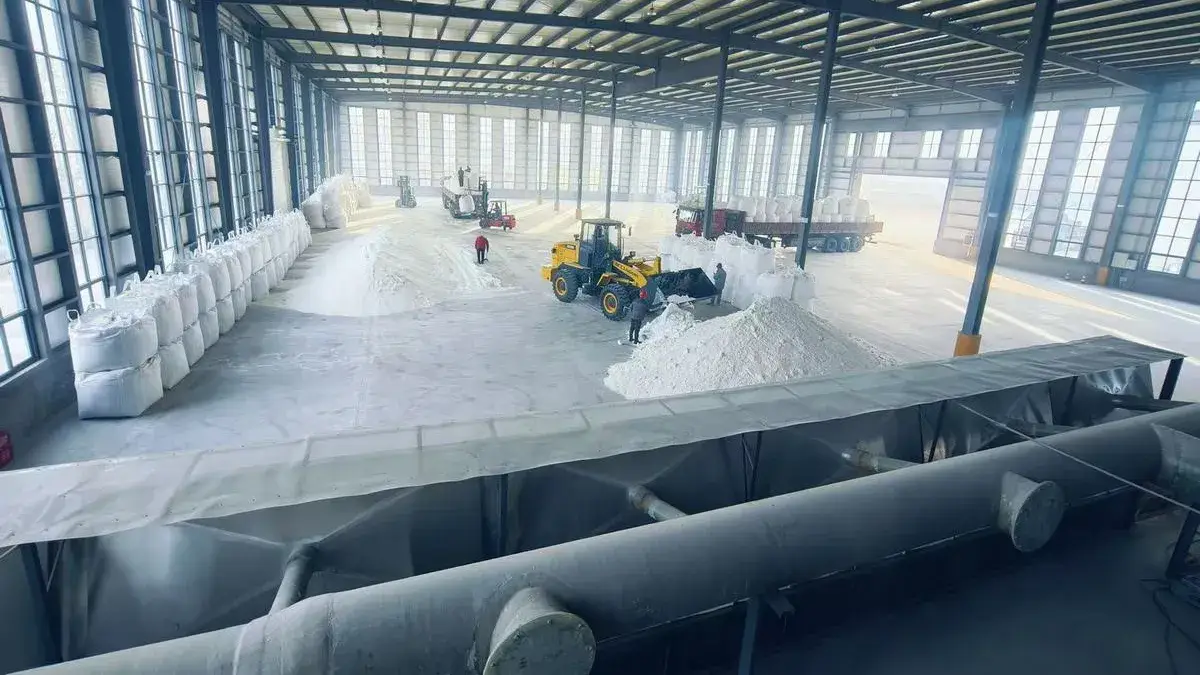
Compacted compound fertilizer production starts with the crushing and screening of fermented organic waste with a moisture content of around 30%–35% to improve particle uniformity. It then goes through magnetic separation to remove impurities. After this, the treated material is mixed with binders and other components according to the fertilizer formulation. All materials are carefully measured and blended into a batching system until a consistent mixture is obtained for the next stage.
-
Material Feeding and Granulation
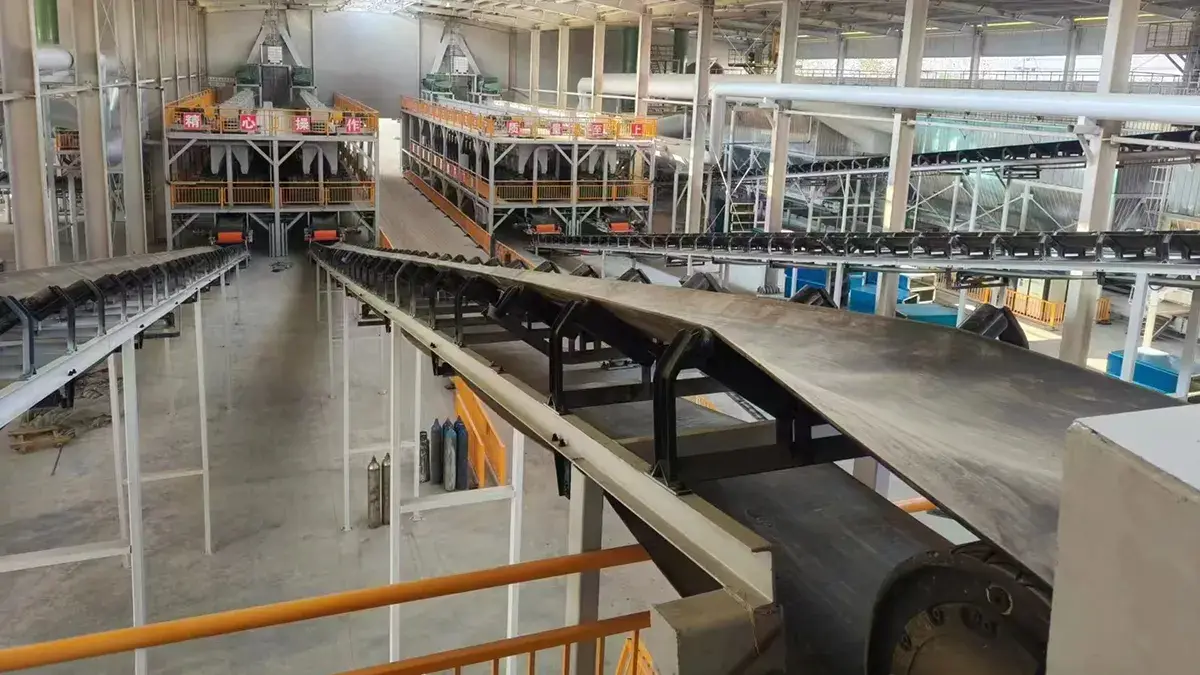
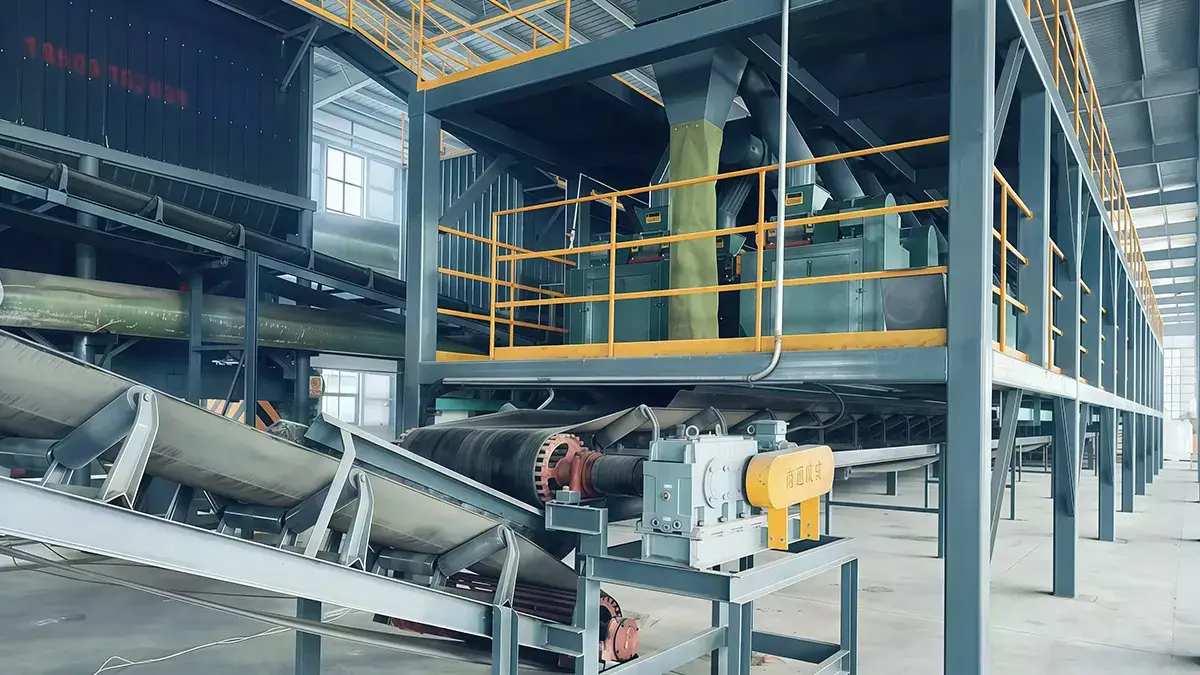
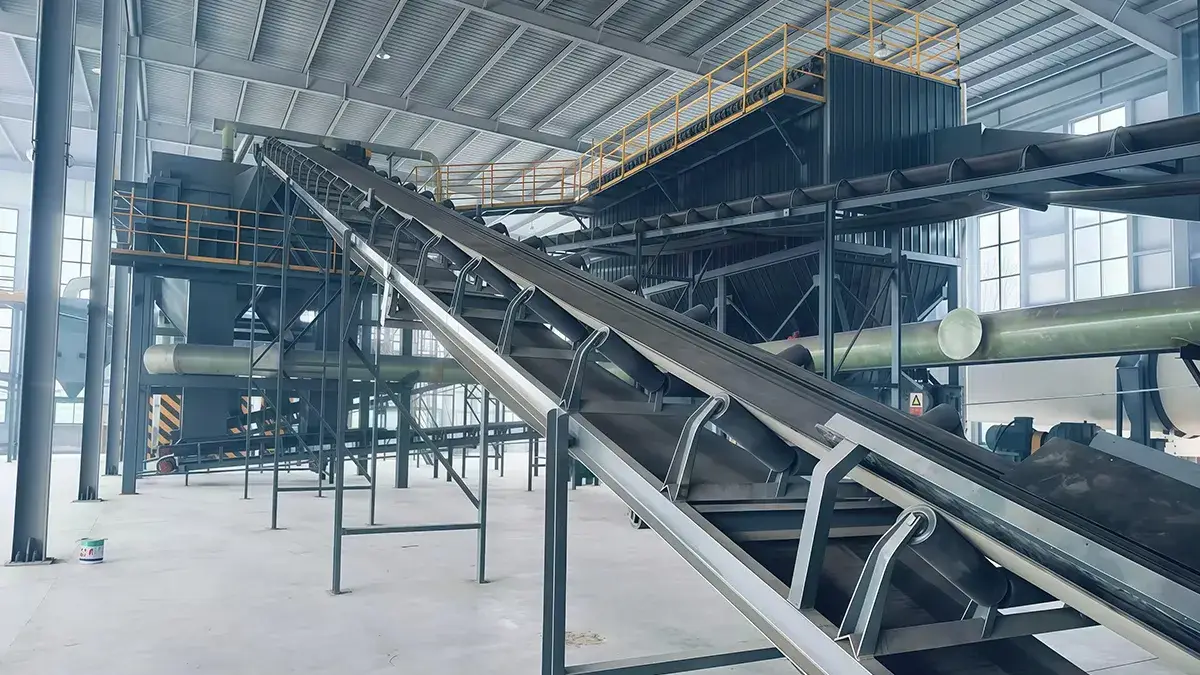
The prepared mixture is first transported by a fixed belt conveyor to the feeding system; there a disc feeder ensures a steady and continuous flow into the granulator. Inside the granulator, the material gradually becomes column-shaped particles with similar diameter and length thanks to the continuous movement and aggregation.
-
Shaping and Polishing
The column-shaped particles are conveyed by belt to a polishing and shaping unit that gradually smooths them into more uniform spherical granules through continuous movement and friction.
-
Low-Temperature Drying
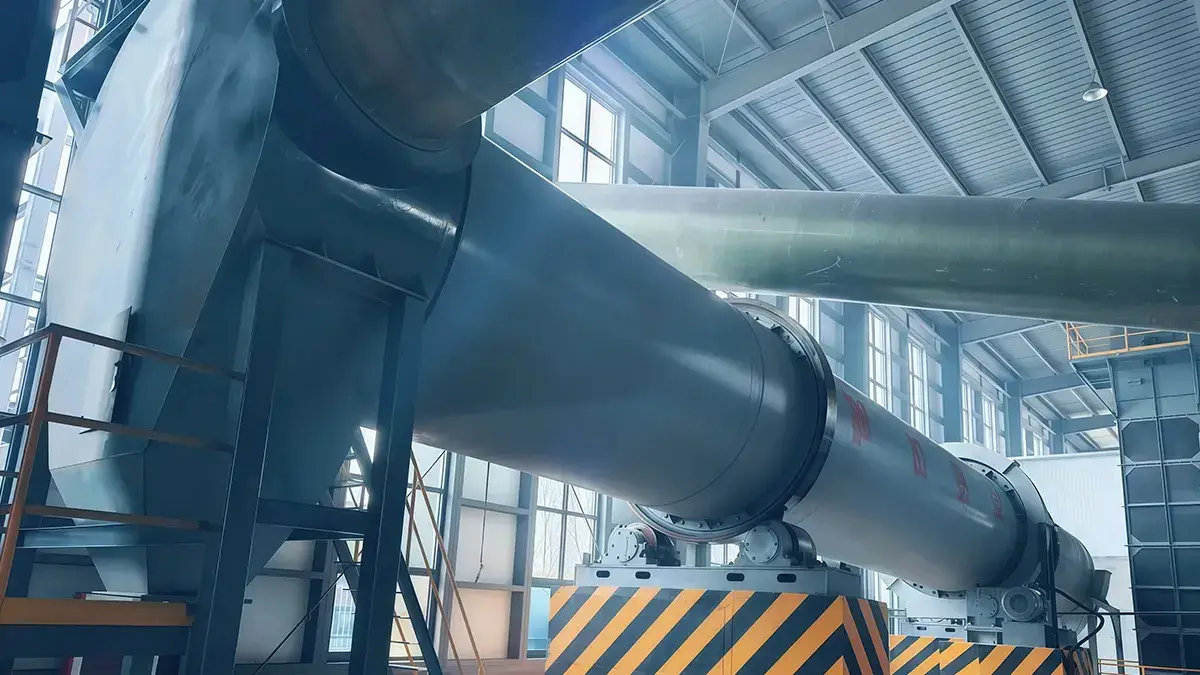
The spherical granules are dried in a low-temperature, high-airflow dryer designed for organic fertilizer production, while exhaust gases are treated through a dust removal system to control emissions.
-
Cooling and Screening
After drying, the fertilizer granules are cooled using air in a cooling and screening system. Exhaust gases are treated again through a dust removal system. Once the granules are cooled, they pass through a screen that is installed at the end of the production line, separating fine powder and oversized particles, both of which are returned to the mixing and granulation stage for reprocessing.
-
Final Packaging
Qualified granules are transported to a finished product silo, then measured and packed using an automatic quantitative packaging system before storage or shipment.
| Product Type | Typical Formulations (N-P-K) | Raw Material Description |
| Nitrogen-based compound fertilizer | 15-15-15, 16-16-16 | Ammonium chloride, ammonium phosphate, and potassium chloride are commonly used. Ammonium chloride also helps improve binding during compaction. |
| Sulfur-based compound fertilizer | 16-8-18, 15-15-15 (sulfur based) | Ammonium sulfate, phosphate sources, and potassium sulfate are used. Ammonium sulfate is harder in structure and usually requires finer grinding before processing. |
| Organic–inorganic compound fertilizer | 10-5-10 (organic matter ≥20%) | Suitable for compaction processing. Fermented poultry manure and humic acid powders can be directly blended with inorganic nutrients. |
| Special-purpose fertilizer | 25-10-5 (high nitrogen) | Higher levels of ammonium chloride or ammonium sulfate are used to support stronger granule formation. |
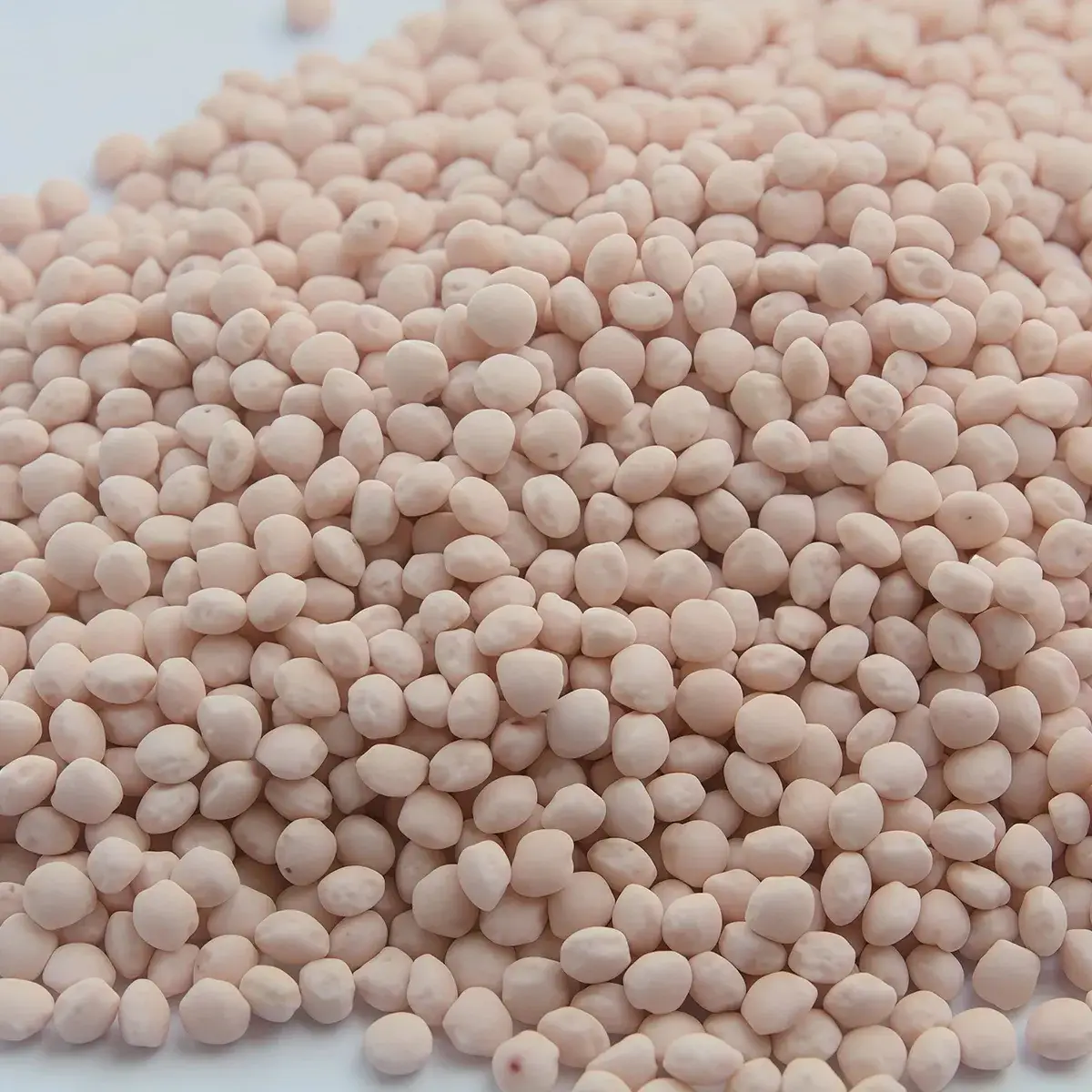
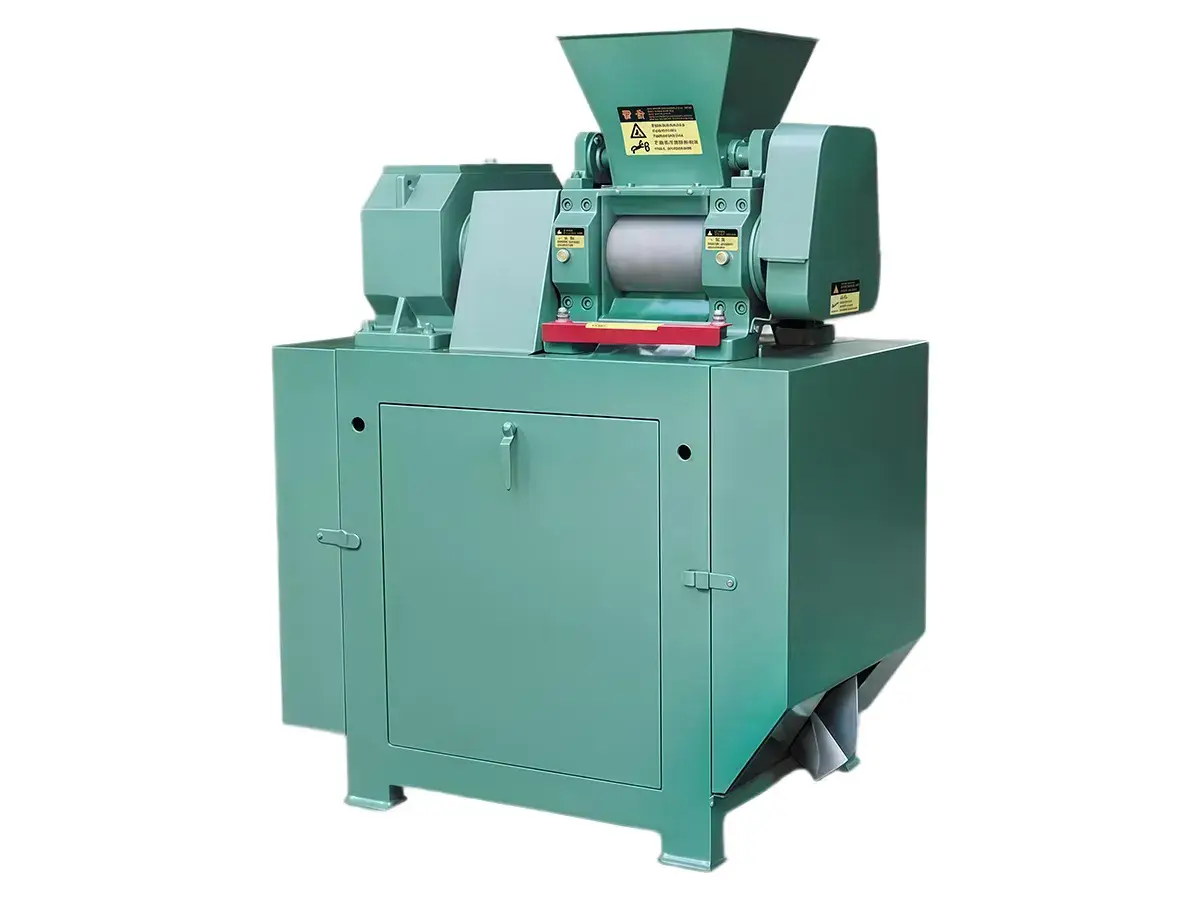
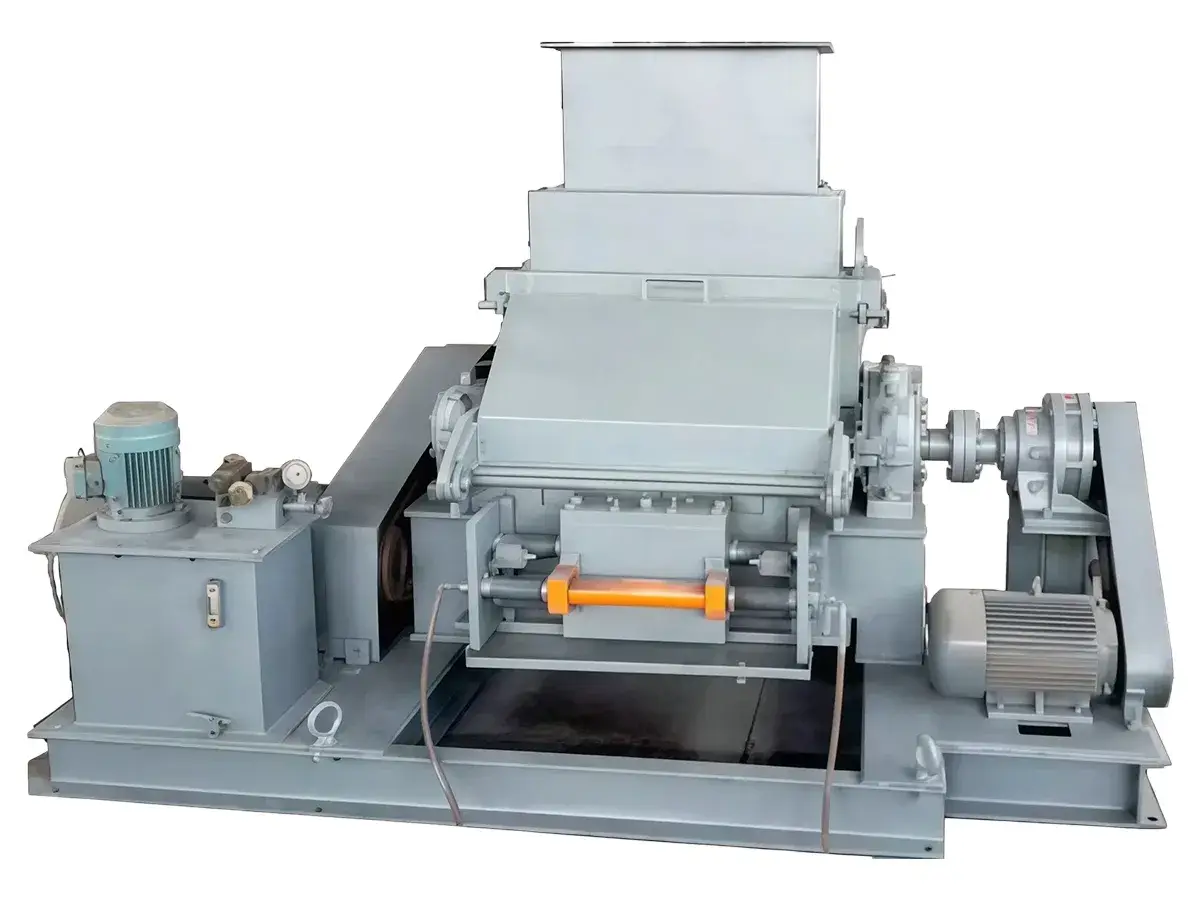
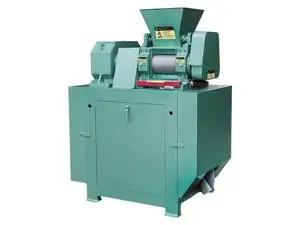 Roller Compactor Dry Granulator
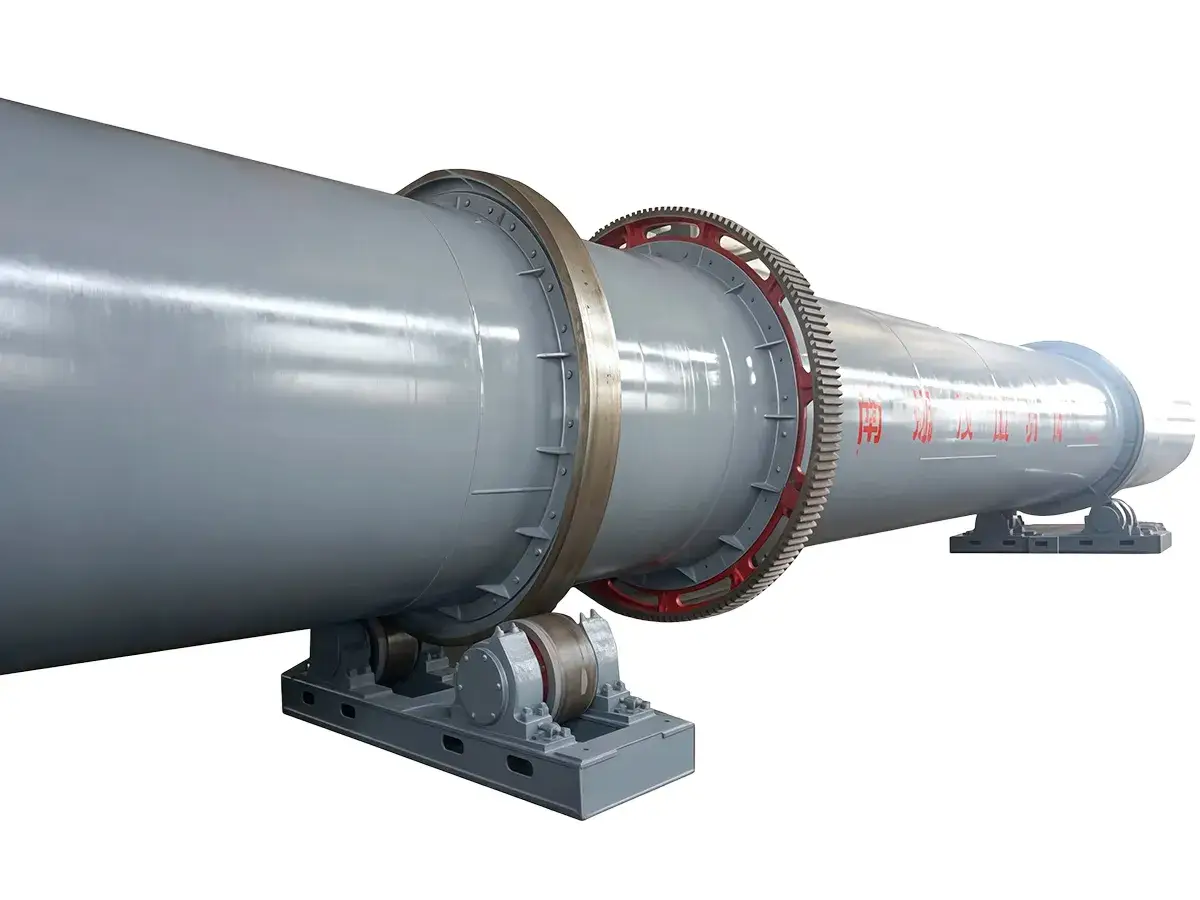
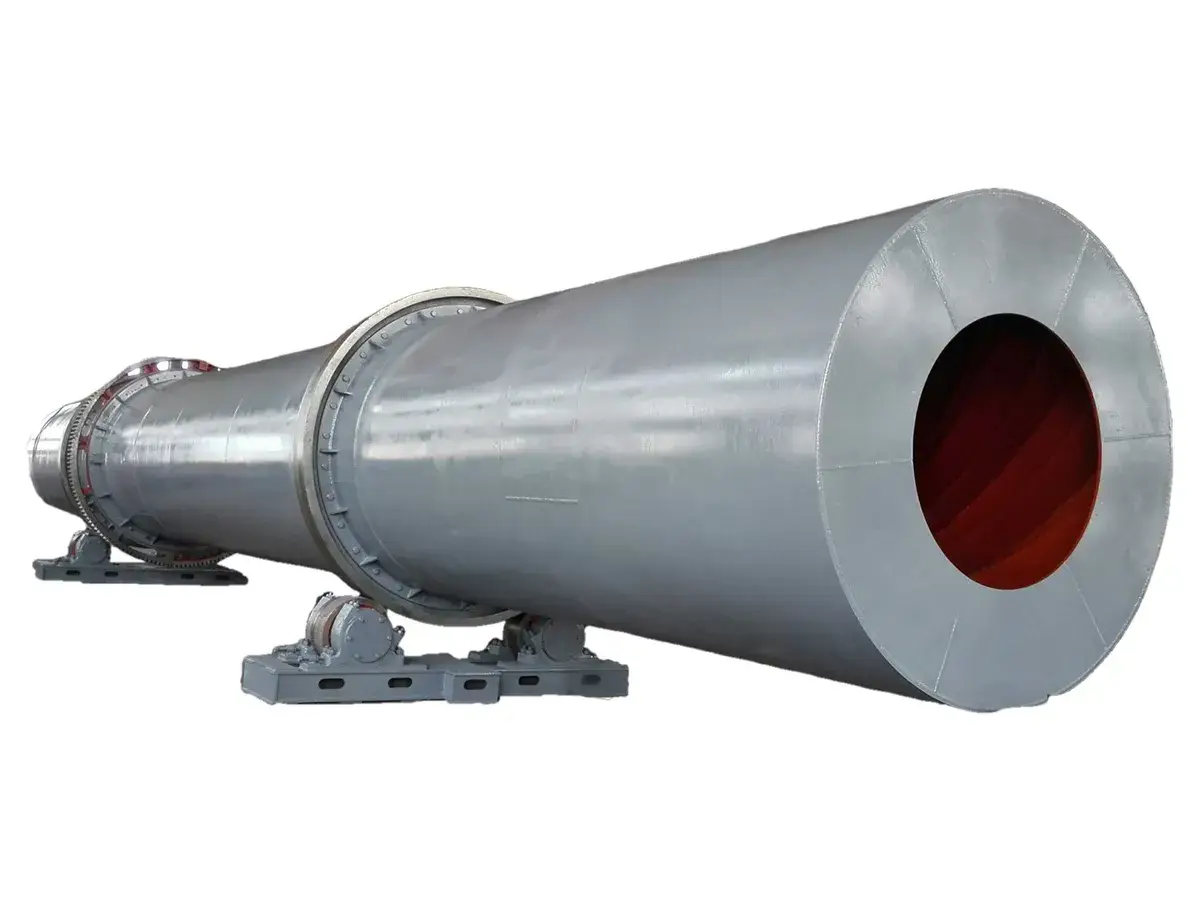
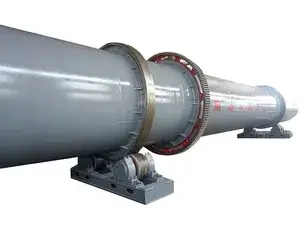 Dryer
Dryer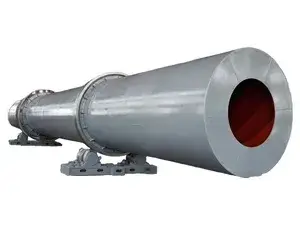 Cooling Equipment
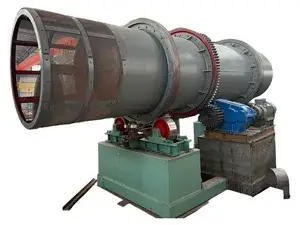 Coating Machine
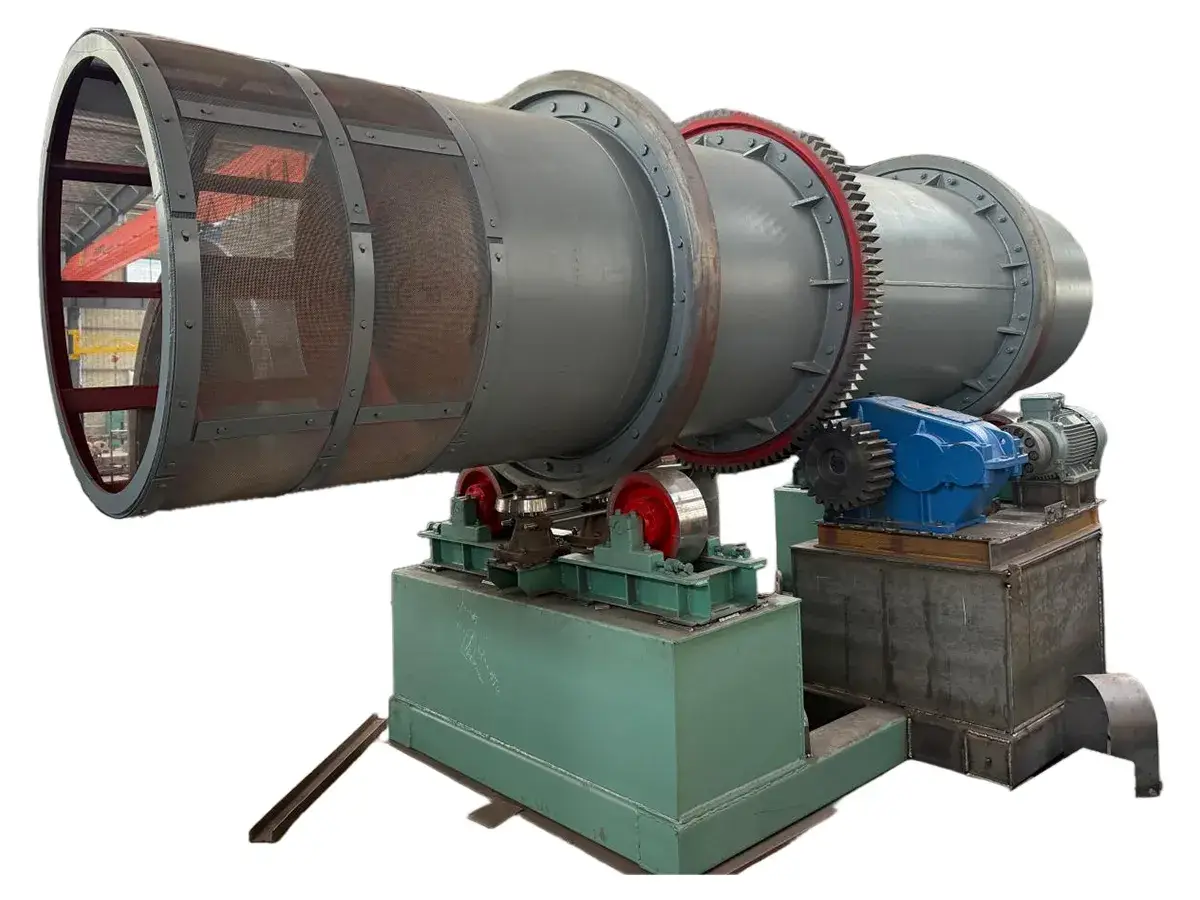
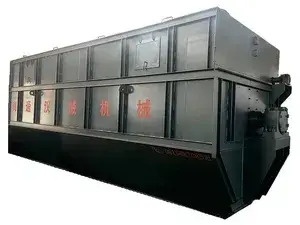 Rotary Drum Screen
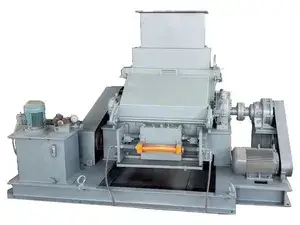 Hammer Roller Crusher
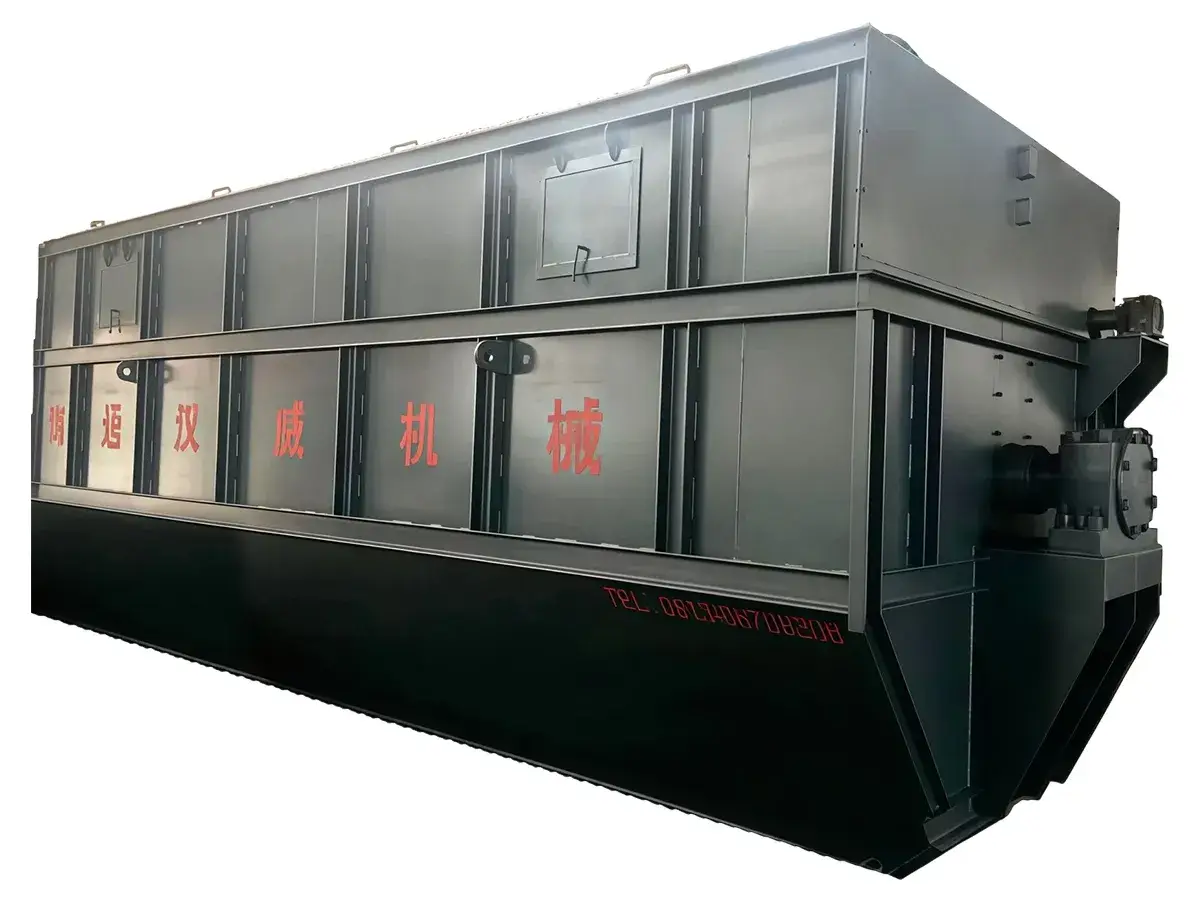
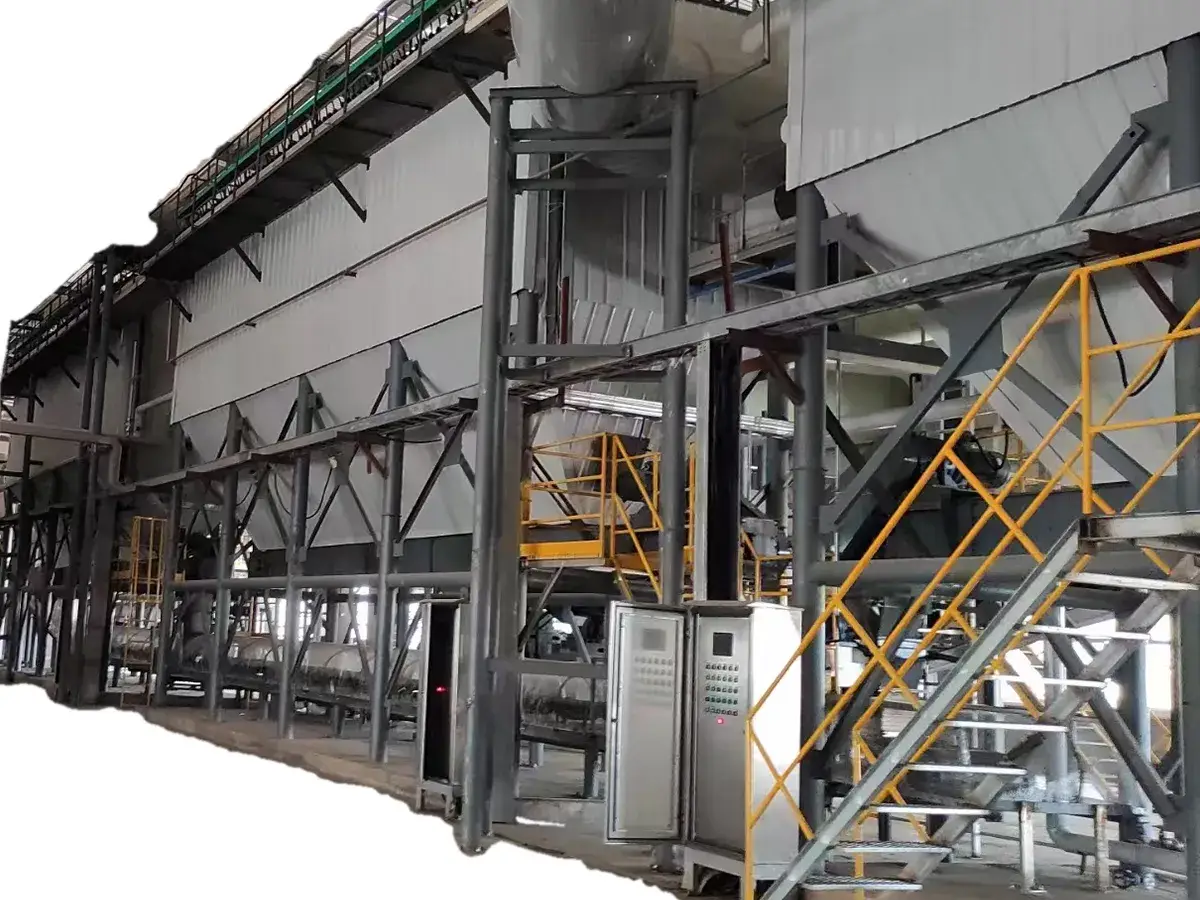
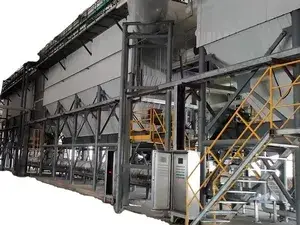 Baghouse Dust Collector
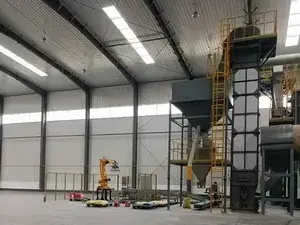 Packing and Palletizing Equipment
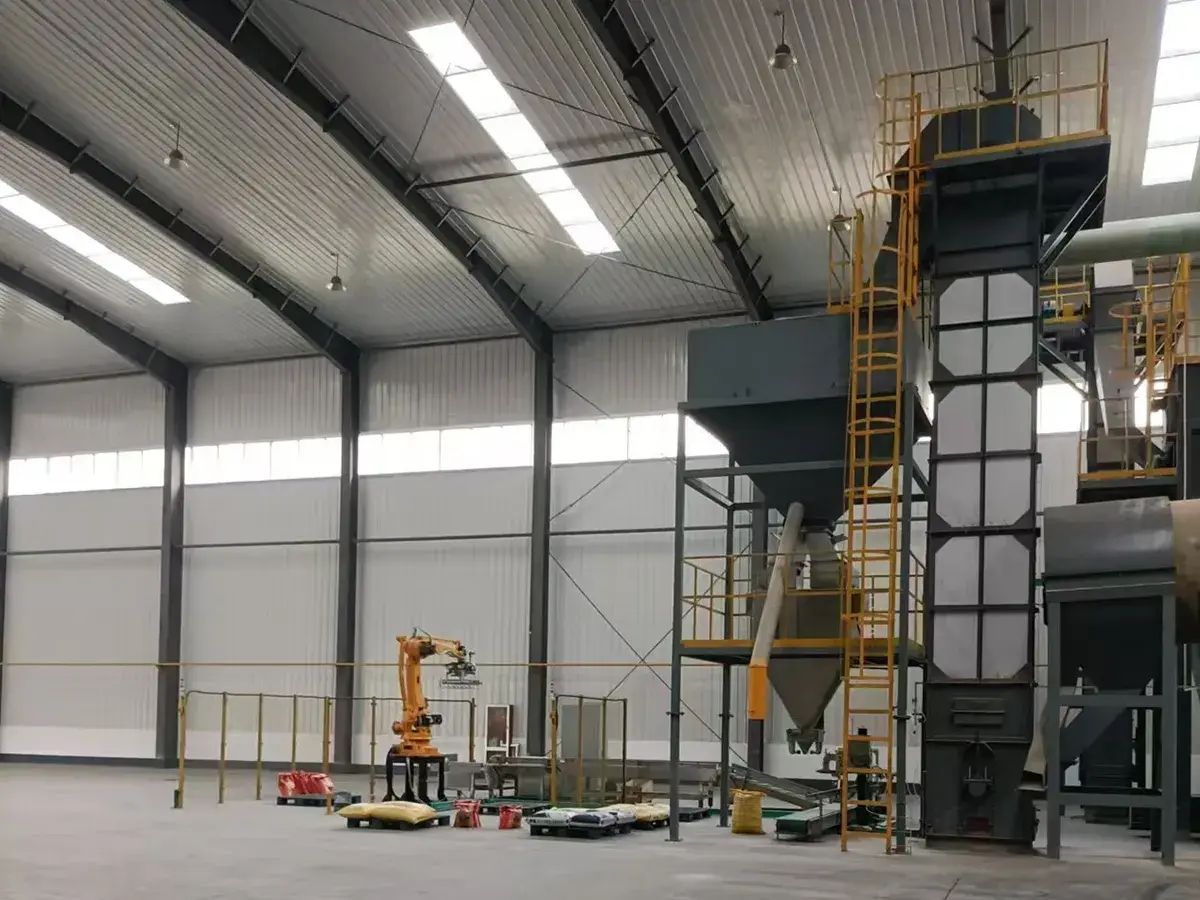
 128 Installed Compaction Granulation Lines
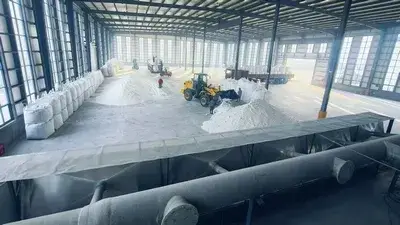 48 Installed Compaction Granulation Lines
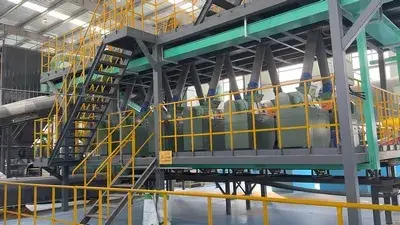 12 Installed Compaction Granulation Lines